Why Miami Wreck Fishing Produces Big Catches
Sunken ships mean serious fishing in Miami. These aren't random spots - they're fish magnets that produce day after day. Drop your line on a good wreck and something's going to eat. Our wreck fishing trips target the spots where monster fish live. Bring strong tackle and expect a workout - these fish don't play around. Come fish with us and see why Miami's wrecks have such a fierce reputation.
What Lurks Below
Miami’s seafloor is a patchwork of manmade and natural features. Each one tells a story. Some are old freighters, stripped and sunk on purpose. Others are concrete slabs, bridge rubble, or limestone ledges. These aren’t just obstacles for boaters; they’re prime real estate for fish.
- Decommissioned ships become instant reefs. Rusting hulls bristle with life. Snapper and grouper squeeze into every crevice.
- Concrete and bridge debris pile up, forming walls and caves. Baitfish swarm these spots. Predators follow.
- Limestone outcrops break up the sand. Sponges, corals, and crustaceans take hold. Fish move in and stay put.
- Scattered junk fields, such as old pipes, tires, and lost anchors, give small fish a place to hide. Bigger fish circle the edges, waiting for a meal to slip up.
- Artificial reefs, built and maintained by local groups, keep the ecosystem thriving. These networks stretch for miles, each one a potential honey hole.
Every structure holds its own mix of species. Some spots are loaded with snapper. Others are grouper territory. A few are known for big amberjack or cobia. The trick is knowing which wreck to fish, and when. Live bait fishing shines here. Drop a frisky pinfish or pilchard near the structure and the bite can be instant.
Fish That Own the Wrecks
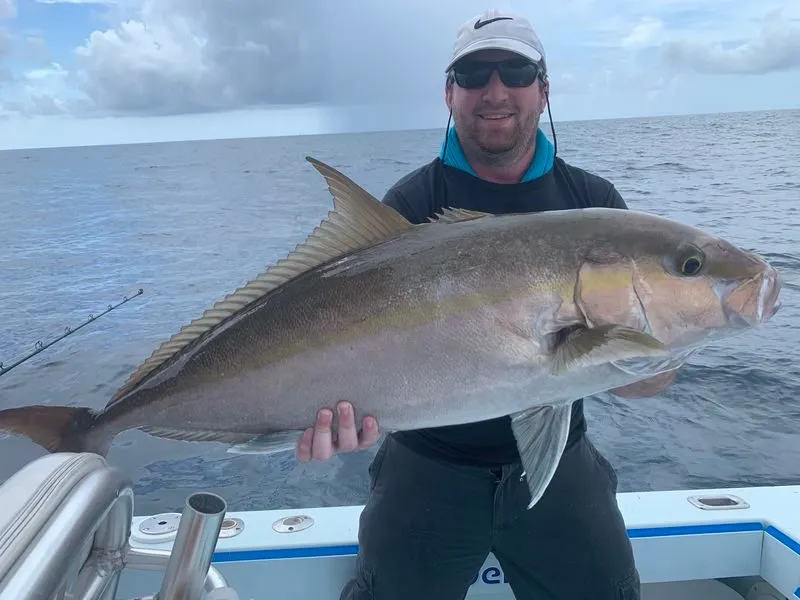
Each wreck holds its own cast of characters. Massive goliath grouper own the bottom structure, waiting for the perfect meal to make their move. The edges buzz with mutton and yellowtail snapper, always scanning for easy pickings. Black grouper stick to the dark corners, masters of the quick strike. Higher up, amberjack and cobia patrol the water column, ready to pounce on anything worth chasing.
Fish choose their zones and stick to them. Bottom dwellers camp in structure, while open-water hunters cruise for opportunities. Your bait placement matters more than anything else. Our deep jigging techniques target fish at every level. Rip that metal jig up hard and fast - when they hit, they hit to kill. Sometimes you win these battles. Sometimes the fish does.
Dialing in the Right Tactics
Wreck fishing isn’t about luck. It’s about reading the water, watching the sonar, and matching your approach to the conditions. Some days, vertical jigging with metal lures triggers the bite. Other days, only a live bait gets a reaction. The best crews switch tactics fast. They use butterfly jigs, big live baits, or even cut bait, depending on what the fish want.
- Vertical jigging covers water fast. Drop, rip, repeat. When fish are aggressive, this method stacks up catches.
- Live baiting is patient work. Drop a bait near the wreck and wait. The right fish can’t resist.
- Sometimes, a mix of both works best. Start with jigs to find active fish, then switch to live bait for the picky ones.
No two wrecks fish the same way. Depth, season, and structure shape where the fish hold and how they feed. Success comes from knowing the spots - which ones produce now, what baits trigger strikes, and how to win when a monster heads for cover. Our fishing techniques shift with conditions. At Nomad Fishing Charters, we read the signs and make fast moves, turning quiet days into stories worth telling.
Staying Safe on the Wrecks
Wreck fishing rewards skill, but it punishes mistakes. Anchoring has to be precise. Miss the mark and you’re fishing dead water. Get too close and you risk tangling or worse. Depth changes fast around these structures. One minute you’re in 60 feet, the next you’re over 120. Weather can turn in an hour. Wind and current shift, making boat control a challenge.
- Anchors need to hold tight. A dragging anchor means lost time and lost fish.
- Depth finders and GPS keep you on target. Drift off the wreck and the bite shuts down.
- Regulations matter. Some species are off-limits. Size and bag limits change. Stay sharp or pay the price.
- Safety gear isn’t optional. Life jackets, first aid kits, and emergency plans keep everyone focused on fishing, not worrying about what could go wrong.
Quality fishing starts before the boat leaves the dock. We check everything twice - weather, equipment, and game plan. Our fishing regulations matter because they keep fish populations strong for tomorrow's anglers. The Nomad crew takes both safety and conservation seriously, ensuring your trip hits the sweet spot between good catches and good stewardship.
Book Your Miami Wreck Fishing Trip
Ready to enjoy the excitement of wreck fishing? Call Nomad Fishing Charters at 786-266-0171 or contact us to book your trip targeting Miami's biggest bottom dwellers.
‹ Back
Recent Posts
-
-
Is Deep Sea Fishing in Miami Good Year Round?
May 7, 2026
-
Can You Catch Big Jacks in Miami's Inshore Waters
March 24, 2026
-
Best Snapper Fishing Spots in Miami
March 10, 2026
-
Can You Find Sailfish Close to Fort Lauderdale?
February 24, 2026
.png)