
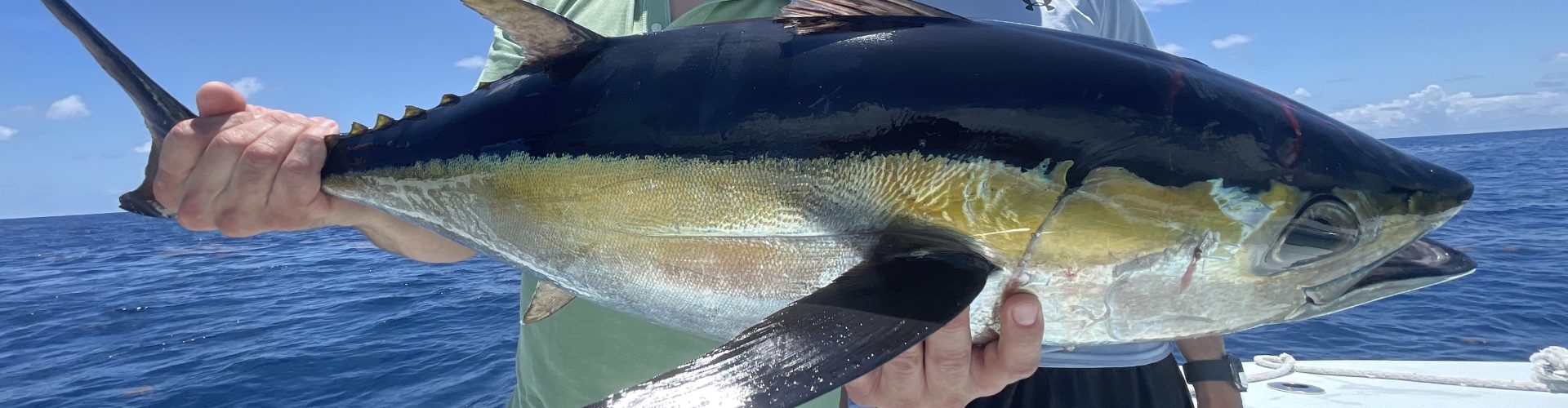
Can You Catch Tuna Close to Miami Shores?
Miami Shores sits right on the edge of some of the best big game fishing in South Florida. The Atlantic's out there. The Gulf Stream's close. And if you're asking whether tuna swim within striking distance — they do. Just don't expect them to be waiting at the dock. You'll need to know what you're chasing, where to look, and what actually works when the line goes tight.
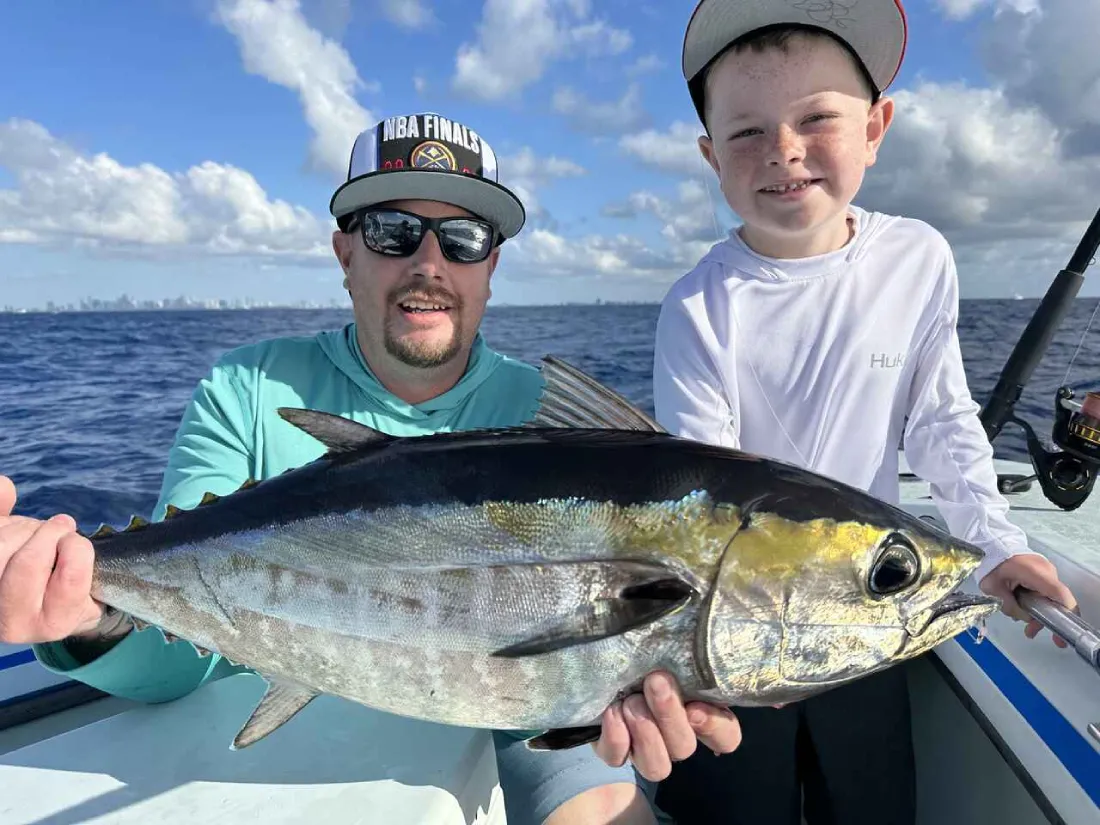
Most anglers target blackfin tuna in these waters. They're smaller than their yellowfin or bluefin cousins, but they fight hard and taste even better. You'll also run into skipjack and bonito, which look similar and pull just as mean. The bigger species? Those live farther out. But blackfin are the bread and butter near Miami Shores, and they're reason enough to make the run.
How Far You Actually Need to Go
The Gulf Stream does the heavy lifting here. It drags warm water and baitfish close to shore, and the tuna follow. During peak season, blackfin can show up just a few miles from the beach — sometimes closer if the conditions line up. We're talking three to five miles in some cases, especially when pilchards or threadfin are stacked thick.
Push out to the drop-off and your odds get better. That's where the bottom falls away and the current really kicks in. Temperature breaks, current edges, floating debris — all of it pulls in the kind of life tuna feed on. Most productive zones sit between three and ten miles offshore, but you don't need a bluewater rig to get there.
What Species You're Really After
Blackfin tuna dominate the inshore tuna game around Miami Shores. They're fast, aggressive, and show up in good numbers when the water's right. Here's what else might hit your line:
- Blackfin Tuna: The main target. Smaller size, big attitude. Peak action hits in spring and fall.
- Skipjack Tuna: Harder fighters than blackfin, but less common close to shore. They'll tear up light tackle.
- Bonito: Often mistaken for tuna. Strong, fast, and great for those who like the chase more than the table.
- Yellowfin Tuna: Rare inshore, but they do push in occasionally. If you hook one, you'll know the difference immediately.
Timing Separates the Crowd From the Catch
Spring and fall bring the best bites. March through May and September through November are when blackfin schools move through in force. Water temperature matters more than the calendar, though. When it sits between 72 and 78 degrees, you're in the zone.
Early morning and late afternoon are prime. That's when tuna feed hardest. Midday can still produce, especially if you're working structure or current breaks, but the magic hours are dawn and dusk. Plan your trip around them and you'll see more action.
Gear and Tactics That Actually Produce
Tuna don't mess around. They hit fast, run hard, and test your drag every time. You'll want medium to heavy spinning or conventional gear, braided line, and a solid leader. The bite dictates the method, but here's what works most often:
- Trolling: Cover water fast. Use skirted lures, feathers, or rigged ballyhoo. Tuna love the flash and movement.
- Live Bait: Pilchards, threadfin, or goggle eyes on a circle hook. Let them swim naturally and wait for the thump.
- Vertical Jigging: Drop a metal jig and work it with sharp, erratic jerks. Tuna will slam it on the fall or the rise.
- Chunking: Cut bait scattered behind the boat creates a scent trail. Pair it with a weighted hook and let the current do the work.
Charter Captains Know the Water Better Than You Do
If you don't have your own boat, a charter's the fastest way to get on fish. Local captains run these waters daily. They know the currents, the drop-offs, and where the bait's been holding. They'll bring the tackle, the bait, and the knowledge you'd spend years learning on your own.
Running your own boat? Make sure you've got navigation tools, safety equipment, and a working VHF. Weather in Miami offshore fishing changes fast out here, and the Gulf Stream doesn't forgive mistakes. File a float plan and check conditions before you shove off.
What the Rules Say About Keeping Fish
Florida manages tuna carefully, and the regulations shift depending on species and size. Blackfin tuna have bag limits. So do skipjack and bonito. You'll need to confirm the current rules through the Florida Fish and Wildlife Conservation Commission before you keep anything.
Don't guess. Don't assume. And don't keep more than you can eat or give away. Sustainable practices in Miami fishing stay strong when anglers respect the limits and report what they're seeing. If you care about coming back next season, you'll follow the guidelines now.
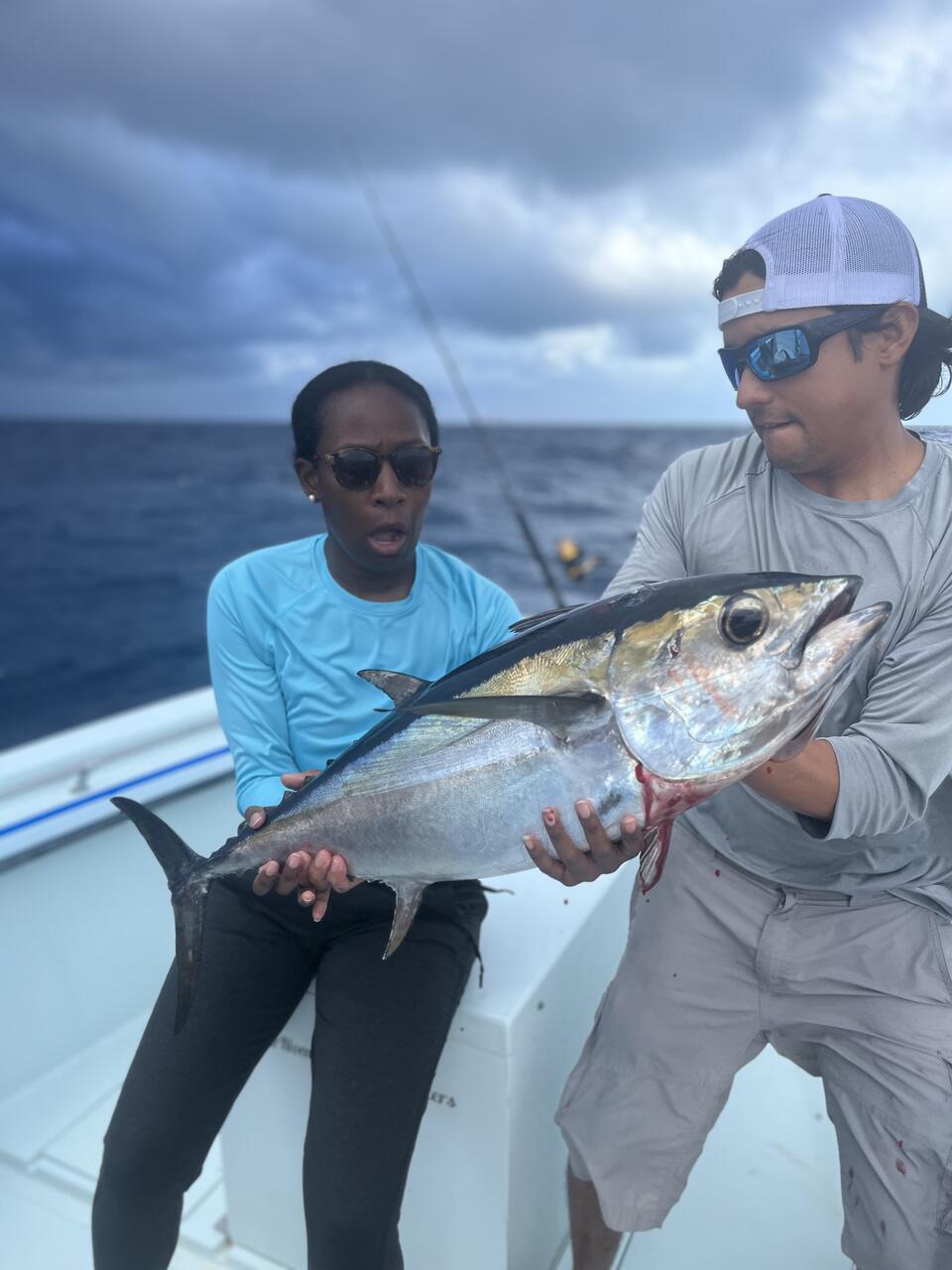
Mistakes That Cost You Fish
Plenty of anglers blow their shot before the line even hits the water. Here's where most slip up:
- Wrong Bait: Tuna are picky. If the bait's not lively or doesn't match what they're feeding on, you're wasting time.
- Dull Hooks: A bent or dull hook won't set properly. Check your terminal tackle every trip.
- Ignoring the Birds: Diving birds mean baitfish. Baitfish mean tuna. If you're not watching the sky, you're missing the clues.
- Bad Drag Settings: Too tight and the hook pulls. Too loose and you never gain line. Set it right before you cast.
- Fishing Blind: No depth finder, no temperature gauge, no plan. That's how you burn fuel and catch nothing.
What Happens After the Hookup
Tuna don't quit. The first run will test your reel, your knots, and your patience. Keep steady pressure and don't horse them. Let the drag do its job and stay calm when they dive or change direction.
Once they're boatside, gaff carefully or net if you're releasing. Bleed them immediately if you're keeping the fish — it preserves meat quality and keeps the flavor clean. Ice them down fast and keep them out of the sun. Tuna spoil quicker than most species, and poor handling shows up on the plate.
Prepping Your Catch the Right Way
Blackfin tuna are incredible table fare, but only if you treat them right from the moment they hit the deck. Here's how we handle ours:
- Bleed Immediately: Cut the gills or tail and let the fish bleed out in the water. This keeps the meat from going dark.
- Ice Fast: Get the fish on ice within minutes. A slush mix works best.
- Clean Quickly: Fillet as soon as you're back at the dock. The longer it waits, the more the texture suffers.
- Vacuum Seal: If you're freezing portions, vacuum sealing locks in freshness and prevents freezer burn.
Fishing Smart Keeps You Coming Back
Miami Shores puts you close to real tuna fishing without the need for an overnight trip or a canyon-class boat. Blackfin are accessible, aggressive, and worth every bit of effort it takes to find them. But access doesn't mean easy. You still need to read the water, respect the regulations, and show up prepared.
Whether you're running your own boat or choosing the right fishing charter, the tuna are out there. They're feeding, moving, and waiting for someone who knows how to find them. Skip the guesswork, bring essential gear for offshore fishing, and fish where the current and the bait meet. Live baiting and jigging techniques work particularly well when the tuna are feeding aggressively. That's where the action starts — and where the stories get told back at the dock.
Let’s Get You on the Tuna
We know the thrill of chasing tuna off Miami Shores, and there’s nothing like seeing that rod bend with a hard-fighting blackfin on the line. If you’re ready to make your next trip count, let’s plan it together. Give us a call at 786-266-0171 and let’s talk about your goals—or if you’re set to lock in your date, just book now and we’ll handle the rest.
‹ Back
Recent Posts
-
Can You Catch Tuna Close to Miami Shores?
June 4, 2026
-
-
Is Deep Sea Fishing in Miami Good Year Round?
May 7, 2026
-
Can You Catch Big Jacks in Miami's Inshore Waters
March 24, 2026
-
Best Snapper Fishing Spots in Miami
March 10, 2026
.png)