Fort Lauderdale Inshore Fishing Charter for Tarpon & Snook
Most anglers think South Florida is all about offshore action. Big boats, deep water, long runs. But if you're skipping the inshore flats and backwaters around Fort Lauderdale, you're leaving the best bites on the table. Tarpon and snook don't hang out in marinas waiting to be caught—they stack up in the shallows, under docks, around mangroves, and through tidal cuts where the water moves and the bait schools thick.
So here's the reality. If you want shots at two of the most explosive species in Florida, you don't need a canyon rig or a fuel bill that rivals your mortgage. You need a guide who knows the tide charts, a boat that drafts shallow, and the willingness to show up early when the fish are feeding. Every cast counts. Every retrieve matters. And every hookup starts with being in the right water at the right time—not just hoping you get lucky.
Shallow Water Holds the Heavy Hitters
Nine times out of ten, the best tarpon and snook action happens within sight of land. You don't need to run twenty miles offshore or ride out swells to find fish. Fort Lauderdale's inshore zone is laced with canals, bridges, flats, and mangrove edges that create ambush points for both species.
Tarpon cruise the Intracoastal during migration season, stacking up under lit bridges at night and rolling through channels during the day. Snook post up along structure—docks, pilings, seawalls—waiting for current to push bait their way. If you're fishing blind without local intel, you'll burn hours. But if you're working with a captain who's been running these waters for years, you'll be on fish before most boats even leave the dock.
Tarpon Will Test Your Drag and Your Nerves
Hooking a tarpon isn't the hard part. Keeping one buttoned up through three aerial flips and a hundred-yard screaming run? That's where things get real. These fish don't just pull—they explode. The strike comes hard, the jumps come fast, and if your drag isn't set right or your angles go wrong, you're watching your line go slack while a hundred-pound silver missile shakes free.
Fort Lauderdale's tarpon season peaks in spring and summer, when fish move through the area in serious numbers. Guides dial in based on water temperature, moon phase, and bait presence. Live crabs, mullet, and threadfins are go-to baits, but artificial swimmers and jigs can pull strikes too when fished with confidence. We've seen clients land their first tarpon on a charter and swear it's the hardest fish they've ever fought—because it is.
Snook Are Sneaky Until They're Not
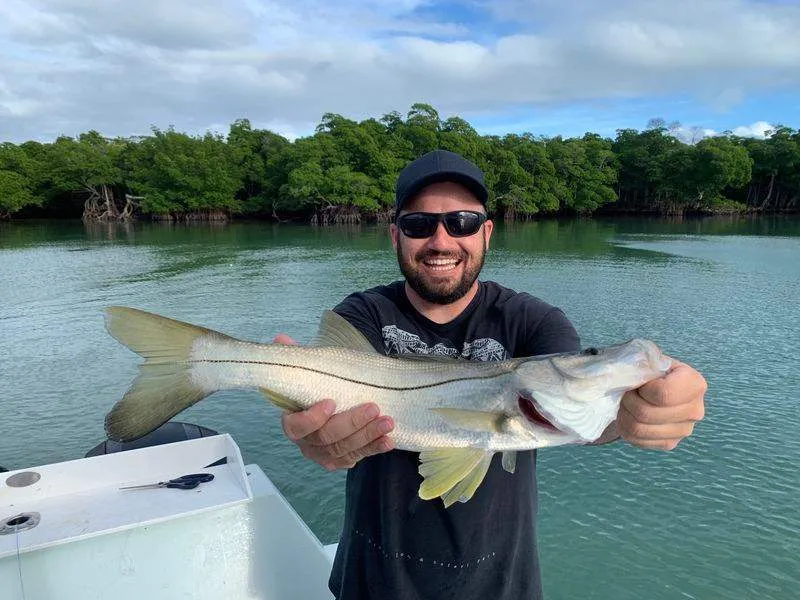
Snook don't announce themselves. They sit tight in cover, barely moving, until something edible drifts into range. Then it's lights out. The strike is violent, the head shake is instant, and if there's structure nearby, that fish is heading straight for it. You've got seconds to turn them, or you're retying.
Fort Lauderdale's snook bite year-round, but the warmer months bring the most consistent action. Tidal movement is everything. When water's pushing through a cut or flushing past a dock, snook position themselves to intercept shrimp, pilchards, and glass minnows. Topwater plugs at dawn, live bait on the drop, soft plastics worked slow—all of it works when you're in the right zone. Miss the tide window, and you're grinding. Hit it clean, and you'll hook doubles.
What a Real Inshore Charter Looks Like
Booking a Fort Lauderdale inshore charter means stepping onto a boat where the gear's rigged, the bait's fresh, and the captain already knows where the fish were yesterday. You're not guessing. You're not renting tackle from a shop that hasn't updated inventory since 2015. You're fishing with someone who runs this water weekly and adjusts based on what's actually happening—not what a fishing report said three days ago.
Most trips run four to six hours, giving you enough time to work multiple spots without burning out. Captains bring rods, reels, terminal tackle, bait, and usually some cold water. You bring sunscreen, polarized glasses, and a willingness to follow direction. If the guide says cast tight to the mangroves, you cast tight. If they say let it sink, you let it sink. That's how you catch fish.
Gear and Setup Make or Break the Day
- Medium-heavy spinning or conventional rods: Tarpon and snook both require backbone to turn fish away from cover and enough flex to handle hard runs.
- Braided line with fluorocarbon leaders: Braid gives you hookset power and feel. Fluoro keeps things stealthy in clear water and resists abrasion when fish dive for structure.
- Circle hooks for live bait: These increase hookup ratios and make catch-and-release cleaner, especially with tarpon where jaw placement matters.
- Sharp hooks, always: Dull points lose fish. Check your hook tips before every cast, and swap them out if they've taken a beating.
- Drag set correctly before the first cast: Too tight and you'll snap off. Too loose and you'll never stop a big tarpon from spooling you.
Timing Your Trip Around Tides and Light
Not all hours fish the same. Snook and tarpon both feed more aggressively during tidal movement—incoming or outgoing doesn't matter as much as the fact that water's moving. Slack tide can be dead. Strong current pushes bait, activates predators, and sets up feeding lanes that smart anglers exploit.
Low-light periods—early morning and late evening—are prime windows for both species. Tarpon roll at dawn. Snook ambush baitfish as the sun drops. If you're fishing midday in July with no current, you're working harder than you need to. Book your charter around the bite, not around convenience, and you'll see the difference in hookups.
Why Local Knowledge Beats YouTube Every Time
- Guides know which bridges hold fish this week: Tarpon move. What worked last month might be empty now. Captains adjust daily.
- They read water faster than you can: Bait presence, current breaks, color changes—guides process it all in real time and position you accordingly.
- They've seen every mistake before: Overcasting, spooking fish, setting the hook too early—captains correct you before it costs you a bite.
- They carry backup everything: Leader snaps, hooks bend, reels jam. Guides have spares rigged and ready so you're not sitting idle while someone retackles.
- They know the regs cold: Slot limits, closed seasons, gear restrictions—captains keep you legal without you having to dig through FWC updates.
Catch and Release Keeps the Fishery Strong
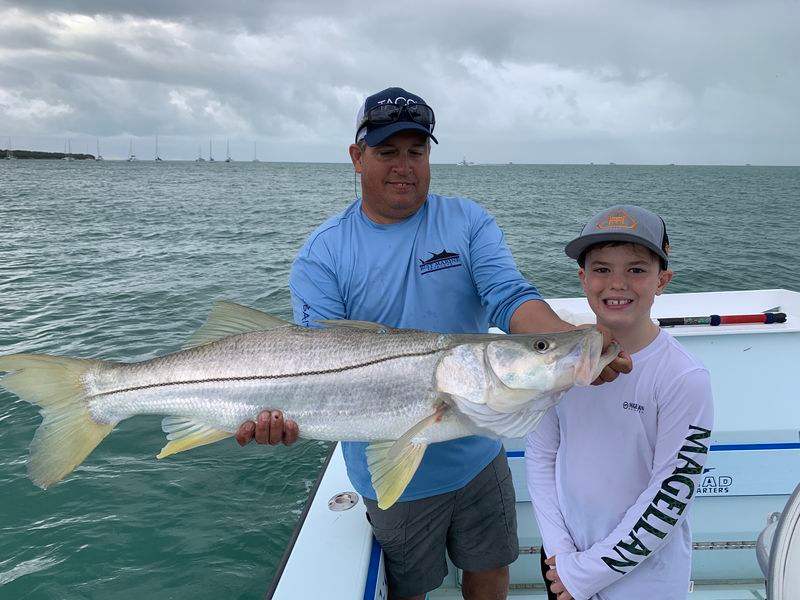
Tarpon are almost always released. They're not table fare, and they're too valuable as a sport fish to kill for a photo. Snook have seasonal closures and slot limits, and even when they're legal to keep, most anglers let them go. The goal isn't a cooler full of fillets—it's the fight, the challenge, the adrenaline dump when a big fish goes airborne ten feet from the boat.
Proper release technique matters. Keep the fish in the water if possible. Support the body, not just the jaw. Revive them until they kick free on their own. A fish released right swims off strong. A fish handled poorly might not make it, even if it looked fine when it left your hands.
Common Mistakes That Cost You Fish
- Setting the hook on tarpon like it's a largemouth bass: Tarpon have bony mouths. You need multiple hard hooksets, not one lazy wrist flick.
- Trying to horse snook out of cover: You can't muscle a twenty-pound snook away from a dock piling. You apply steady pressure and hope they tire before they cut you off.
- Ignoring your captain's casting direction: If they say cast to the right of the piling, don't cast left because it "looks fishier." They're telling you where the fish are, not guessing.
- Using cheap leaders that snap under pressure: Tarpon and snook both test knots and abrasion resistance. Budget terminal tackle fails when it counts.
- Forgetting to check your drag mid-fight: Fish runs heat up drags and change settings. If you're not adjusting as the fight progresses, you're giving fish an advantage.
What to Bring Besides Your A-Game
- Polarized sunglasses: You can't cast to fish you can't see. Quality polarization cuts glare and lets you spot tarpon rolling or snook cruising shadows.
- Sun protection that actually works: Long sleeves, neck gaiters, high-SPF sunscreen. You're out there for hours, and Fort Lauderdale sun doesn't mess around.
- Water and snacks: Charters aren't catered events. Bring enough hydration to stay sharp and some food to keep energy up between bites.
- A camera or phone in a waterproof case: You'll want proof when you land a tarpon that's longer than you are tall.
- Cash for the tip: If your guide put you on fish, worked hard, and made the trip better than expected, don't be the person who forgets to tip.
Charters Handle the Details You Don't Want To
Running your own boat means dealing with trailering, fuel, maintenance, bait sourcing, and navigation. Chartering means showing up at the dock and stepping onto a ready-to-fish platform. The captain's already scouted, the tackle's rigged, and the cooler's stocked. You're there to cast, hook, and fight fish—not troubleshoot a bilge pump or search for bait shops that open before sunrise.
It's not just convenience. It's efficiency. Guides fish these waters constantly. They know what's biting, where it's happening, and how to adapt when conditions shift. That knowledge is worth more than any piece of gear you could buy.
Your Next Move Starts with a Call
Fort Lauderdale's inshore waters are stacked with tarpon and snook right now. The tides are moving, the bait's around, and the captains are booking trips that deliver. You can keep researching, reading reports, and wondering when the right time is—or you can lock in a date and get after it.
Let’s Get You on the Water
We know the thrill of a tarpon’s first jump and the satisfaction of landing a snook in tight cover—there’s nothing like it. If you’re ready to experience the best inshore fishing Fort Lauderdale has to offer, let’s make it happen together. Call us at 786-266-0171 to talk details, or Book Now and secure your spot for an unforgettable day on the water.
‹ Back
Recent Posts
-
-
-
Can You Catch Tuna Close to Miami Shores?
June 4, 2026
-
-
Is Deep Sea Fishing in Miami Good Year Round?
May 7, 2026
.png)