Fishing Tips
Best Times of Day for Miami Inshore Fishing
By Nomad Fishing Charters | November 4, 2025 · 8 min read
Timing Beats Luck
Success in Miami fishing comes down to perfect timing. The fish will not take your bait just any time. Knowing when to be on the water makes all the difference.
Smart anglers watch the tides, light conditions, and water movement. That is what fills coolers, not just random luck.
Across a day on Biscayne Bay, the bite moves. It shifts with the sun, the tide, and the temperature. Understanding those windows is the difference between grinding for one fish and staying on them all day. It is also why our inshore live bait trips are scheduled around peak feeding rather than convenience.
Early Morning Edge
Dawn breaks over Biscayne Bay with raw energy. The water sits smooth as glass, broken only by feeding baitfish and the soft rumble of early boats. This is prime hunting time.
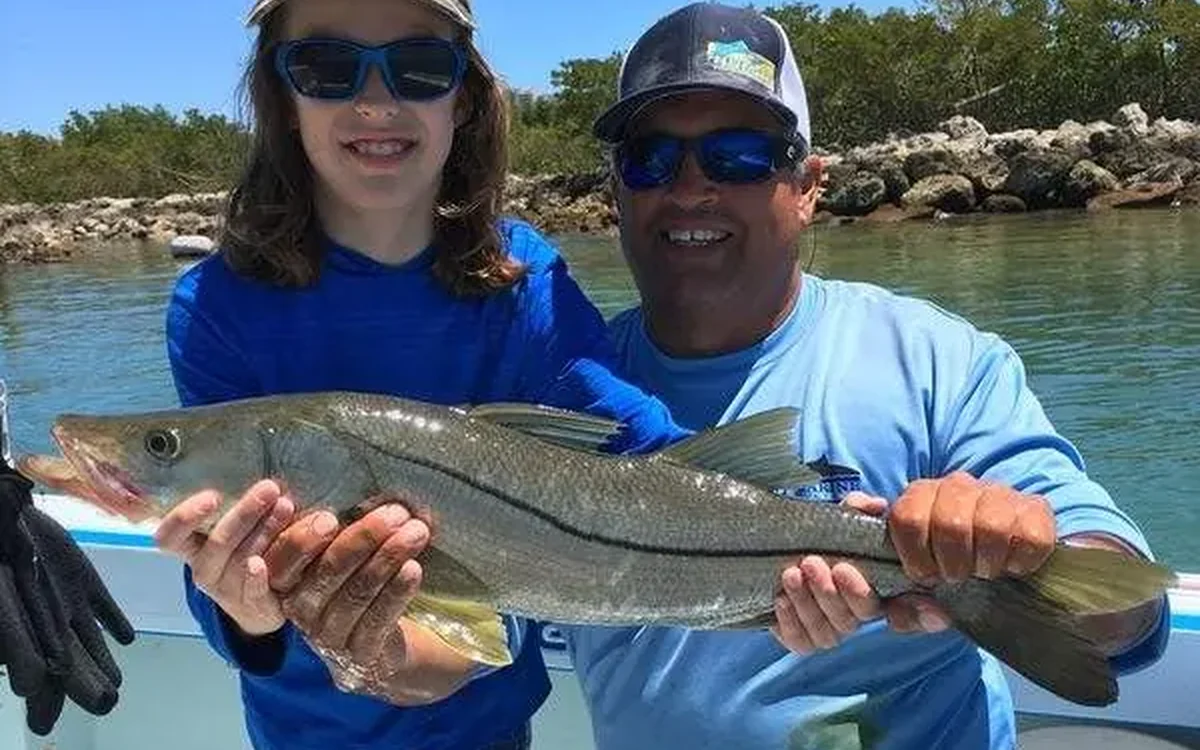
Big fish are on the move - tarpon splash in deep channels, snook stalk the mangroves, and jacks smash through schools of bait. Throw a surface lure and watch it get hammered. Drop a live pilchard and it vanishes instantly. These fish mean business, and nobody has spooked them yet.
From 5:30 to 8:30 AM you get explosive topwater strikes, especially on calm mornings. Baitfish push tight to shore, drawing in everything from snook to tarpon, and the cooler water keeps fish active near the surface. Boat traffic is light, so fish are not spooked, and it is the best window for targeting rolling tarpon in the open.
Early morning fishing is not about comfort. It is about results. The fish hit hardest when the sun is still low, and one perfect cast in these golden hours can make your whole trip.
Midday Moves
By late morning, the sun is up and the game changes. The flats empty out. Fish slide into deeper holes, tuck under docks, or stack up in the shadows beneath bridges.
The bite does not stop, but it shifts. Anglers who keep working the open shallows usually come up empty. The ones who adapt - dropping jigs into the shade, bouncing soft plastics along bridge pilings, or drifting live baits through the deeper cuts - keep catching.
Fish hug structure like docks, bridge pilings, and deep mangrove pockets. Baitfish move into the channels and predators follow, so artificial lures like jigs and swimbaits often outfish live bait. Precision casting matters, so work the edge where shadow meets sun, where snook and redfish hold tight to cover waiting for an easy meal.
The sun changes everything, but smart anglers adapt. Those shaded docks often hold the day's biggest snook. That bridge you passed earlier might have a monster redfish underneath. The fish do not leave - they just shift spots, and a jigging approach keeps you on them through the heat of the day.
Evening Surge
As the sun drops, the water cools and the flats come alive again. The wind dies down and shadows stretch across the bay. Baitfish get nervous, and predators move out from cover to feed with purpose.
The evening bite can be just as wild as dawn, sometimes even better, especially when the tide lines up right. The last two hours before sunset bring peak activity for snook, tarpon, and jacks. The water temperature drops and sparks a new round of feeding, so topwater lures and live baits both produce.
Spring evenings bring silver kings into the shallows, and less boat traffic means less pressure on the fish. Sunset fishing hits different. Fish that played it safe all day now hunt with purpose.
This is when monster tarpon roll through, creating those golden-hour moments you will talk about for years. That final cast into the dusk might be your best of the trip.
Reading the Water
Moon phases and tides shape every trip. Strong moving water, whether incoming or outgoing, pulls bait into predictable places. Fish stack up on points, in creek mouths, and along channel edges.
The best anglers do not fight the tide. They use it. When the water moves, the fish feed, and when it stalls, the bite slows.
New and full moons bring the strongest tides and the most aggressive feeding, while slack water usually means slow fishing. Outgoing tides pull bait off the flats and concentrate predators in deeper holes, and incoming tides flood the mangroves, drawing snook and redfish into the roots. Families and beginners get steady action by timing trips with moving water.
Fish follow patterns, not preferences. The best catches happen when moon phases match tide cycles and water movement peaks. We track these cycles daily so you can focus on fishing while we handle the science of when and where. Families especially benefit from this on our kids fishing trips, where steady action keeps young anglers engaged.
Planning Your Trip Around the Bite
You do not have to memorize tide charts and moon tables to fish the right windows. That is the job of a good captain. The takeaway is simple: favor early morning and the last two hours of light, fish moving water, and adjust your spots and lures as the sun climbs.
When you book a guided trip, we line up the schedule with the day's best feeding windows and shift tactics as conditions change. You can compare half-day and full-day options on our charters and rates overview and pick the window that fits your goals.
Frequently Asked Questions
What is the best time of day for inshore fishing in Miami?
Early morning from roughly 5:30 to 8:30 AM and the last two hours before sunset are the prime windows. Cooler water and low light push fish into aggressive feeding, especially when they line up with a moving tide.
Does the tide matter more than the time of day?
Often, yes. Slack water usually means a slow bite, while moving water concentrates bait and triggers feeding. The best days come when peak light windows line up with a strong incoming or outgoing tide for tarpon and other predators.
How do moon phases affect the bite?
New and full moons create the strongest tides and the most aggressive feeding. Stronger water movement pulls bait into predictable ambush points along points, creek mouths, and channel edges.
Can I still catch fish at midday?
Yes, but you have to adapt. Fish slide into deeper holes and the shade under docks and bridges. Dropping jigs and soft plastics into that structure keeps you catching through the heat.