Charter Guide
Is Deep Sea Fishing in Fort Lauderdale Right for You?
By Nomad Fishing Charters | June 18, 2026 · 7 min read
More Than Rods and Early Mornings
Most vacationers think deep sea fishing is just for serious anglers, with rods, reels, and early mornings. But South Florida’s offshore scene offers more than that, and if you are sleeping on it, you are missing out.
The Gulf Stream runs close to shore here, the captains know their water, and the species list reads like a marine biologist’s dream journal. Whether you are chasing a trophy or just want to unplug for a few hours, this stretch of coast delivers.
So here is the reality. If you are planning a coastal getaway and want something that blends adrenaline with scenery, deep sea fishing checks the box. Just do not assume it is all nets and nautical jargon.
Every charter caters differently, and every trip depends on preparation. Every decision should be grounded in what you actually want from the water, not just what looked good in the brochure. Compare your options on our charters and rates overview before you commit.
The Gulf Stream Changes Everything
This corner of South Florida sits in a goldmine location. The Gulf Stream, a powerful warm current, flows just offshore, pulling baitfish and predators into striking distance. That means less travel time and more lines in the water. We are talking a quick ride from the dock before you are fishing depths that hold sailfish, mahi, and kingfish.
This proximity matters. Half-day charters can still deliver full-throttle action because the fishing grounds are close, so you are not burning hours just to reach productive water. And if the weather shifts or conditions change, captains can adapt without scrapping the whole trip.
Anglers who run out of Sunny Isles Beach on the north end of our range get to that blue water fast, which keeps more rods in the strike zone.
What You’ll Actually Be Targeting
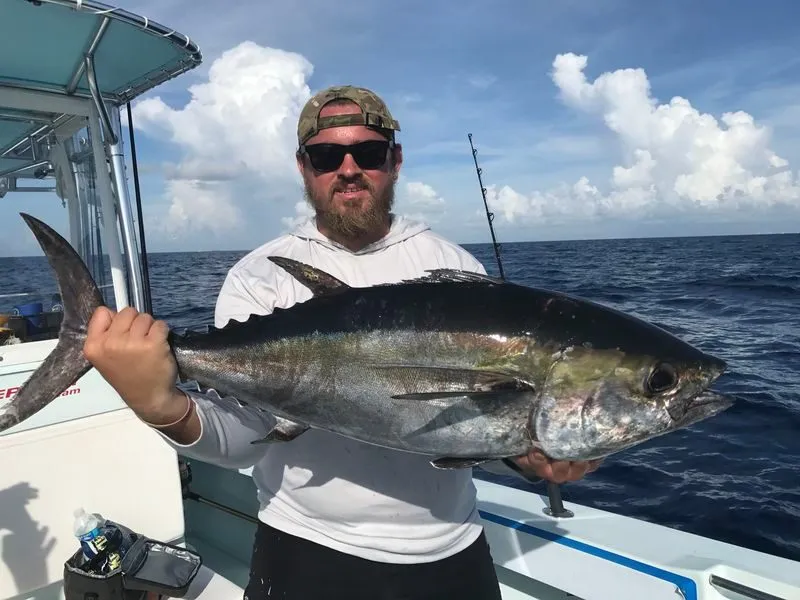
The species variety offshore is not hype, it is fact. Depending on the season and what is running, your crew might be rigging for sailfish, wahoo, tuna, or swordfish. Closer to the reef, you will find snapper, grouper, and amberjack. Each species fights differently. Each one demands its own technique.
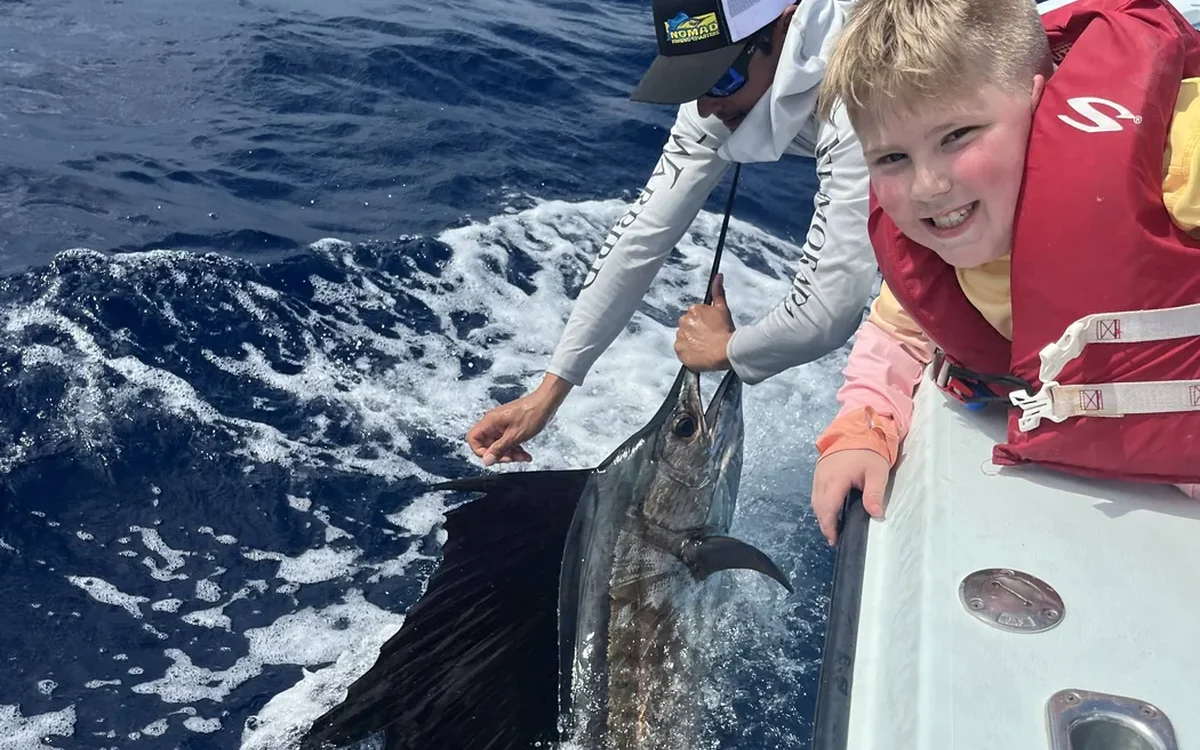
- Sailfish during winter months, known for acrobatic leaps and drag-screaming runs
- Mahi-mahi in spring and summer, fast-growing and aggressive on the surface
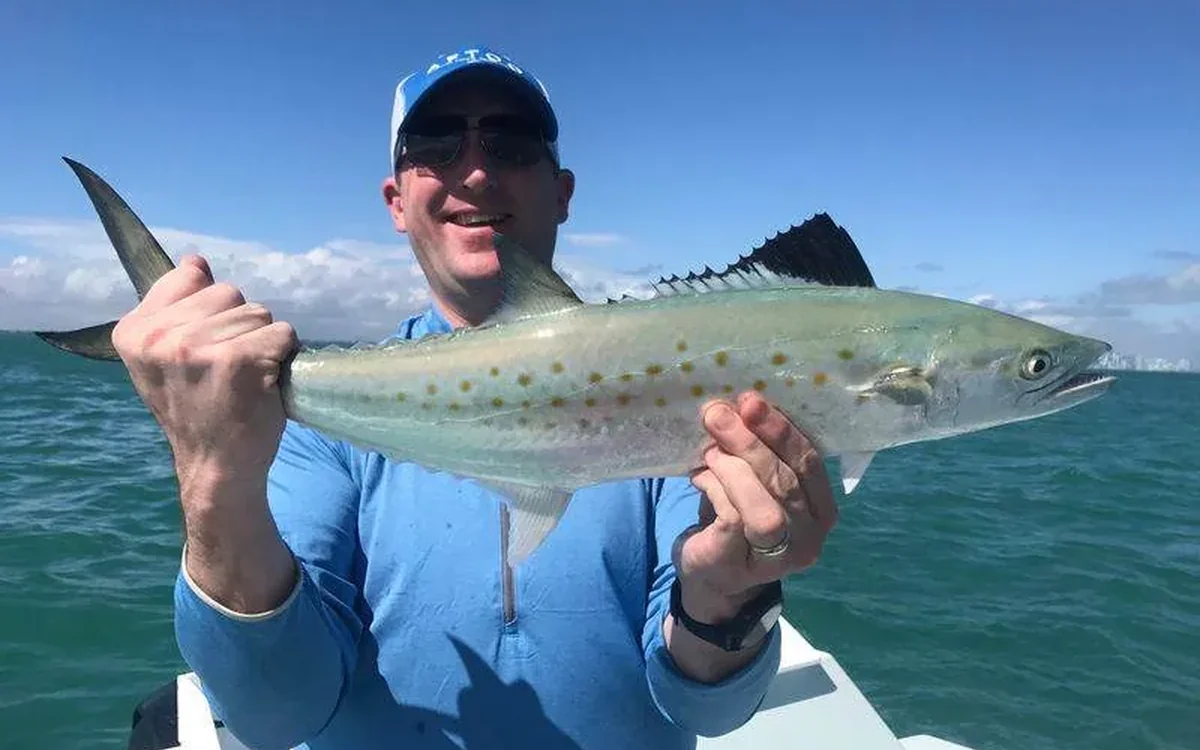
- Kingfish year-round, especially along the reef edges and wrecks
- Tuna when the conditions align, requiring heavier tackle and endurance
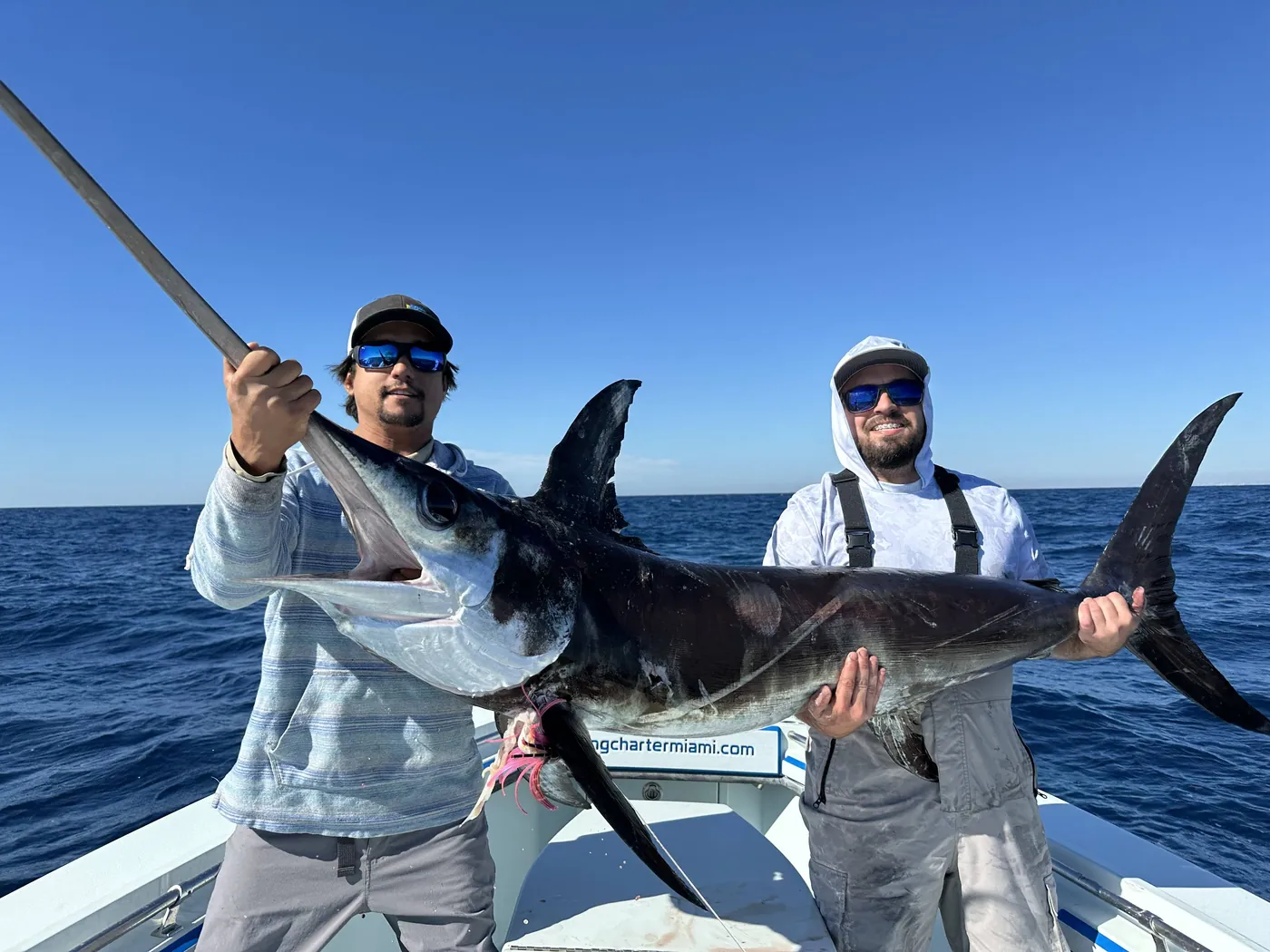
- Swordfish at night, a specialized fishery that demands patience and precision
Who This Experience Actually Suits
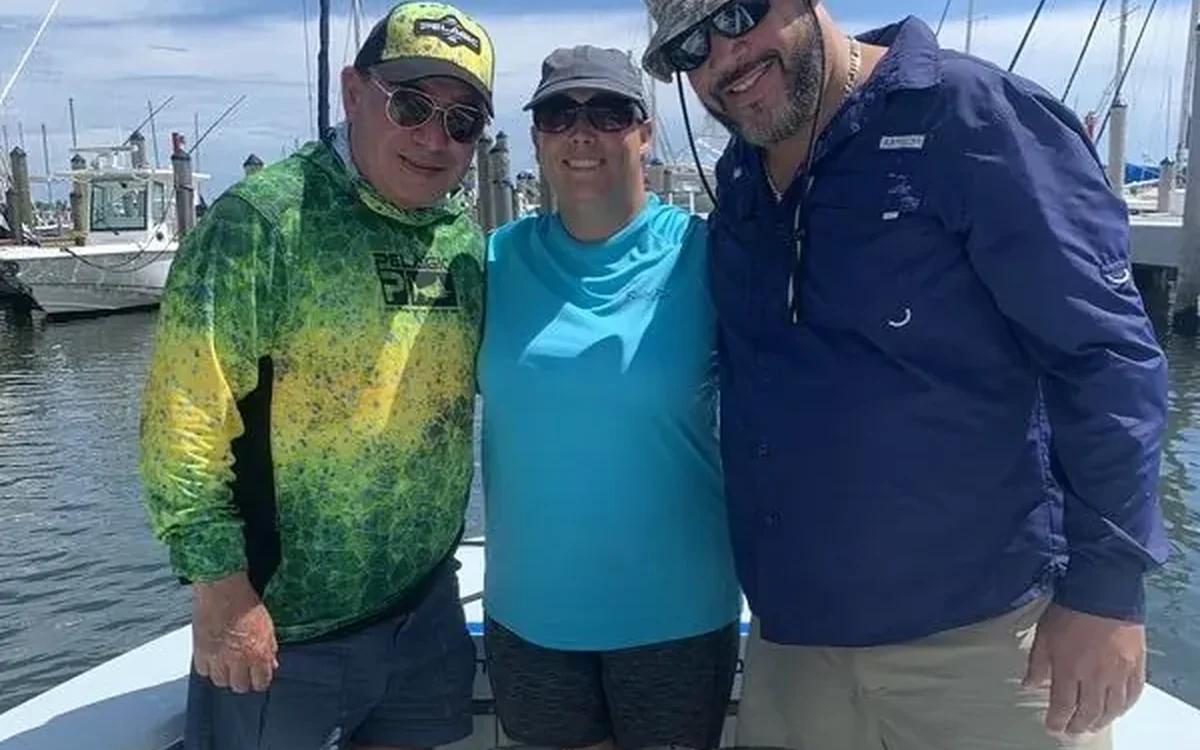
Deep sea fishing is not exclusive to hardcore anglers. Families book trips, couples looking for something different show up, and corporate groups use it as team-building. The barrier to entry is low because most charters supply rods, bait, tackle, and instruction.
You just need to show up ready to listen and willing to get your hands dirty. If you have never held a fishing rod, the crew will walk you through it. If you have been fishing your whole life, they will respect your experience and let you work.
The flexibility is real. Because trip lengths vary, from half-day to full-day to overnight, you can fit it into almost any itinerary without blowing up your schedule. Crews running run and gun trips can cover a lot of water in a short window when the bite is on.
What a Real Trip Looks Like
You start at the marina. You will meet your captain, go over safety basics, and load onto the boat. Within minutes, you are cruising out past the inlet, watching the coastline shrink behind you.
Once the depth finder shows the right numbers, lines go in the water. From there, it is a mix of anticipation, conversation, and scanning the horizon for bird activity or bait schools.
When a fish hits, everything changes. The rod bends, the reel screams, and the crew jumps into action. They will coach you through the fight, adjusting drag and offering encouragement.
Whether it is a scrappy bonito or a trophy sailfish, the moment is yours. And between bites, you are soaking in sun, spotting dolphins, and breathing air that does not smell like traffic.
Where People Get It Wrong
Booking the cheapest charter is tempting. But cheap usually means overcrowded boats, worn gear, or captains who cut corners. We have seen it. A discount rate does not mean much if you are sardined onto a party boat with twenty strangers and one working rod.
Here is what separates a solid charter from a regrettable one:
- Small group sizes or private trips that give you actual fishing time
- Captains with local knowledge and current fishing reports
- Well-maintained boats with clean decks and functioning safety equipment
- Transparent pricing that includes tackle, bait, and licensing
- Clear cancellation policies in case weather turns ugly
That mix of experience and a clean operation is what separates a memorable day from a regrettable one.
Preparing So You Don’t Regret It
Seasickness is real. If you are prone to motion sickness, take medication before you board, not after you are already green. Eat a light breakfast and stay hydrated.
Do not spend the whole ride staring at your phone screen. Your inner ear will thank you.
Clothing matters too. The sun reflects off the water and doubles down on UV exposure, so wear a hat, long sleeves if you burn easily, and non-slip shoes. Flip-flops are a liability on a wet deck.
If you are bringing kids, pack extra sunscreen and snacks, because hunger and boredom can sink a trip faster than rough seas. For younger crews, a dedicated kids fishing trip keeps the action steady and the attention spans happy.
What Happens After the Catch
Most charters will clean and fillet your catch at the dock. Some captains have relationships with local restaurants that will cook your fish for dinner that same night. If you are flying home, many shops can vacuum-seal and freeze your fillets for travel. Just ask ahead of time so nothing goes to waste.
And if catch-and-release is your preference, that is respected too. Sailfish, in particular, are often released to preserve the fishery, and the crew knows how to handle fish properly for a safe release. It is not about the meat, it is about the fight and the photo.
Many of those reef fish come up on wreck and bottom fishing drops, which are excellent table fare.
Booking Without the Headache
Do not wait until you are in town to book. Peak seasons fill up fast, and the best captains get claimed early. Read reviews, ask questions, and confirm what is included and what is not.
A good operator will answer your calls, explain their process, and set clear expectations.
Verify a few things before handing over a deposit. Check the trip duration and departure time, what gear and bait are provided, and whether fishing licenses are covered. Confirm the refund or rescheduling policy if weather forces a cancellation, along with the maximum passenger count.
If you want straight answers to all of it, reach out to our team and we will walk you through it.
The Verdict From the Docks
South Florida delivers on deep sea fishing because the infrastructure, location, and expertise align. The captains know the water, and the Gulf Stream brings the fish. The variety of charters means there is something for every budget and skill level.
It is not a gimmick. It is a legitimate fishery with real opportunities, with productive grounds reachable from Miami Beach and the marinas just to the north.
Whether you hook a sailfish or spend the day battling bonitos, the time on the water matters. You will leave with sore arms, sun-kissed skin, and a clearer head than when you boarded.
That is the trade: effort for reward, ocean air for office air. If you want a trip that feels earned rather than packaged, this is where you start.
Ready to plan your South Florida deep sea trip? Call Capt. Orly at 786-266-0171 or send us your preferred dates and we'll get you booked.
Frequently Asked Questions
Is deep sea fishing in South Florida good for beginners?
Absolutely. Charters supply rods, bait, tackle, and instruction, so first-timers can step aboard and start fishing. The crew coaches you through every fight and adjusts the pace for your group, including families with children who want frequent bites.
What fish will I catch on a deep sea trip?
Depending on the season, you might target sailfish, mahi-mahi, kingfish, tuna, or swordfish offshore, plus snapper, grouper, and amberjack near the reef. Each species fights differently, which is half the fun.
How do I avoid getting seasick on a charter?
Take motion sickness medication before you board, eat a light breakfast, stay hydrated, and keep your eyes on the horizon rather than your phone. Most people settle in once the lines are out and the action starts.
When should I book my deep sea fishing trip?
Book early, especially in peak season when the best captains fill up fast. Confirm trip length, what gear is included, and the weather cancellation policy before you lock in a date that fits your itinerary.