Local Fishing Spots
Fort Lauderdale Inshore Charter for Tarpon and Snook
By Nomad Fishing Charters | July 16, 2026 · 8 min read
Two Fish That Share the Same Water
Tarpon and snook hold in the same places for the same reason. Moving water pushes bait past structure, and both fish set up to ambush it.
That is where the similarity ends. Snook are precise and lazy. They sit tight to a piling and eat what drifts into their lane.
Tarpon are nomads. They roll through on the tide, and if your bait is not there when they arrive, you missed the window.
Fishing both on one trip means reading structure and current at the same time. Get it right and a single tide gives you shots at both.
Where Snook Set Up
Snook love an edge. Bridge pilings, seawalls, dock lights, and mangrove roots all give them a place to sit out of the current and wait.
The key is the down-current side. A snook faces into the flow and lets the tide deliver dinner. Cast up-current and let the bait wash to them naturally.
Drag a bait across their face and they will refuse it. Snook are picky about presentation in a way that surprises new anglers.
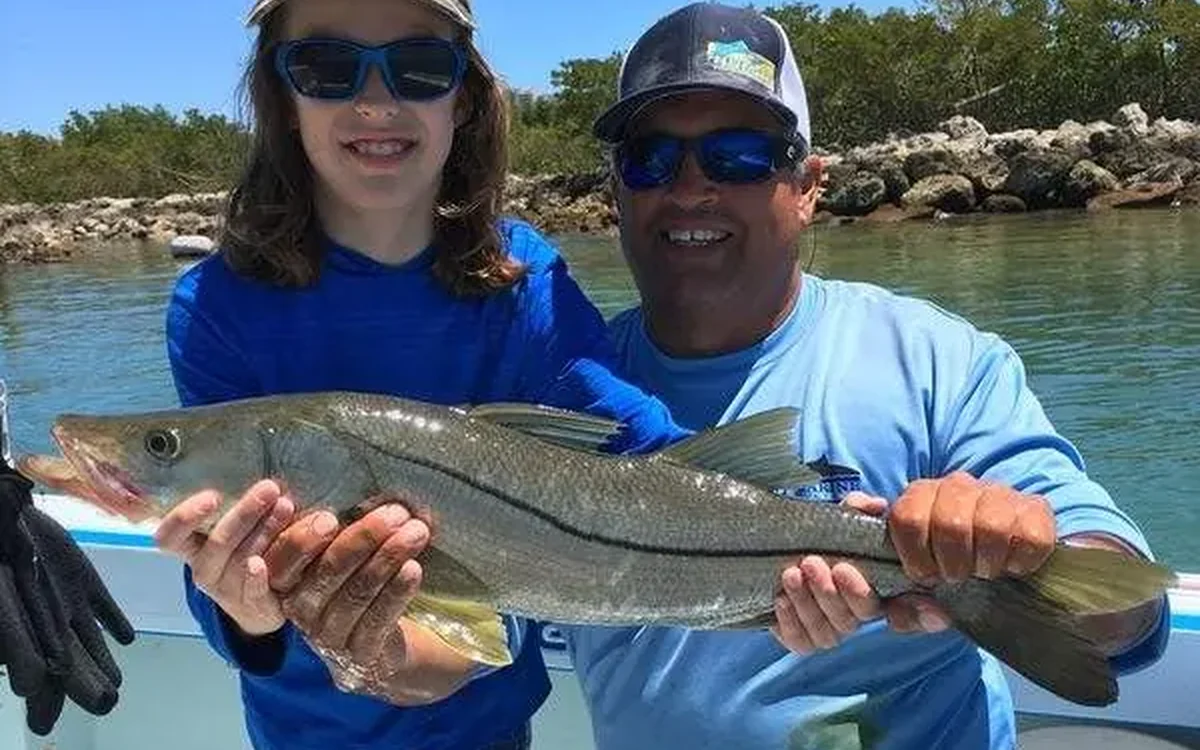
Night is prime time around lit docks and bridges. The light stacks up bait, and the fish line up in the shadow just outside it. Here is more on how we target snook in South Florida water.
Where Tarpon Roll
Tarpon want the deeper stuff. Channel edges, bridge spans, and inlet mouths hold them through the warm months.
Watch for rolling fish. A tarpon gulping air at the surface tells you where the school is and which way it is moving.
Once you find them, the fight is the easy part to describe and the hard part to survive. A hundred pound fish clearing the water will humble anyone.
Our Miami tarpon charters run the same playbook on the bridges and around Government Cut, and the fish behave the same way up the coast.
Tide Beats Time of Day
New anglers ask what time to go. The better question is what the tide is doing.
The hour before and after a tide change is when bait moves and predators feed. A slack tide at sunrise will disappoint you. A ripping outgoing at noon can be excellent.
We plan trips around water movement first and daylight second. That one habit is worth more than any lure in the box.
Baits That Earn Bites
Live bait wins here. Shrimp, pilchards, and mullet cover nearly every inshore situation, and a frisky bait sells itself.
Snook eat a well placed shrimp or a pilchard drifted tight to structure. Tarpon want a bigger meal, and a live mullet or a crab on the tide is hard for them to pass.
Tackle stays light. Spinning gear with braid and a heavier leader handles both, though a snook will try to cut you off on a piling and a tarpon will test every knot you tied.
All of it comes aboard with us, which is the whole idea behind our live bait approach.
What a Guide Actually Saves You
You can learn this fishery on your own. It takes years.
A guide shortcuts the expensive part: knowing which structure is holding fish today, on this tide, in this wind. That answer changes constantly.
We run out of Dinner Key Marina in Coconut Grove, a straight shot south for Fort Lauderdale anglers, and fish the same inshore pattern up the coast through Sunny Isles Beach.
Rods, reels, bait, ice, and the license are covered. You bring sunscreen and a camera.
Fish the Tide With Someone Who Reads It
Tarpon and snook are not hard to find once you know what they want. They want moving water, an edge to hide behind, and a bait that looks like it belongs there.
The trick is being in the right spot when the tide turns. That is the part worth handing to someone who does it every week.
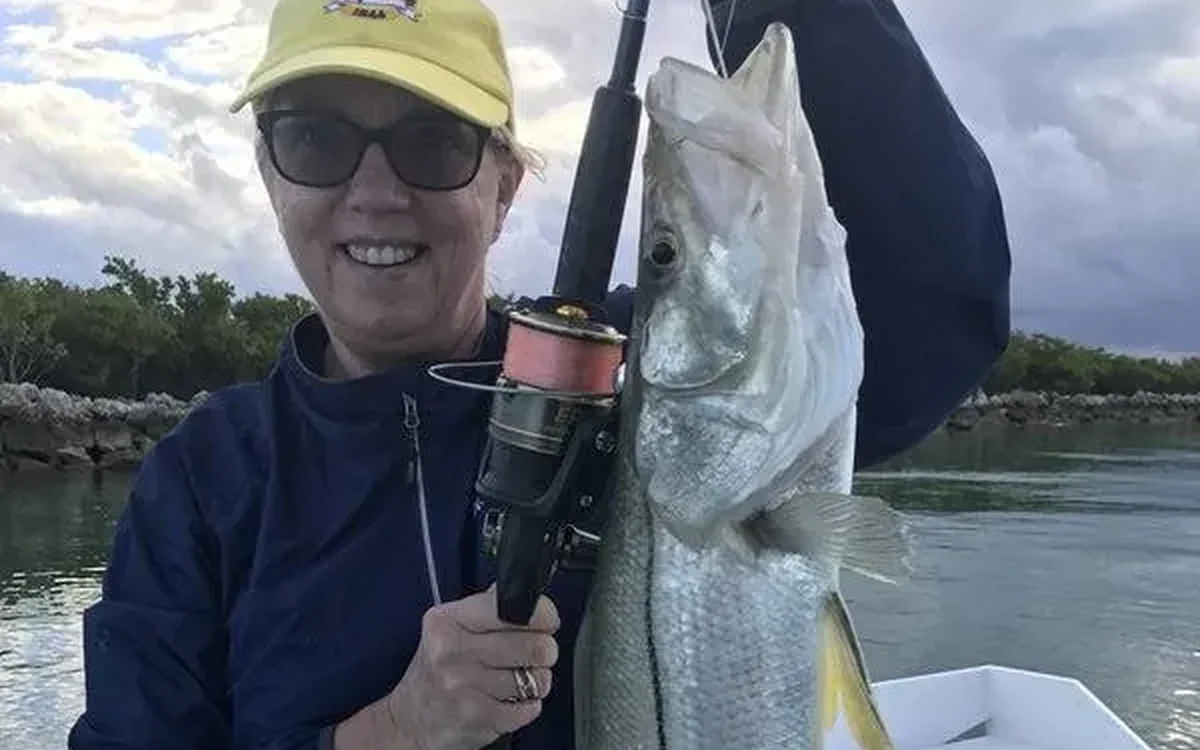
Ready to put a Silver King or a big snook in your photos? Call Capt. Orly at 786-266-0171 or request your inshore charter date and we will build the trip around the tide.
Frequently Asked Questions
When is the best time of year for tarpon and snook?
Tarpon peak in spring and summer as they move through on their migration, and snook fish well from spring through fall. Both stay catchable around structure outside those peaks, especially on a strong moving tide.
Do I need a fishing license?
No. Our vessel license covers everyone aboard, so there is nothing for you to buy. Be wary of any operation that asks you to purchase your own, because that usually means they are not properly licensed. The rest of the details are in our charter FAQs.
Can we keep a tarpon or a snook?
Tarpon are a catch and release fishery. We photograph them boatside and revive them before release. Snook are managed with seasons and a slot limit, so what you can keep depends on the calendar and the size of the fish.
What tackle do you use inshore?
Light spinning gear with braided line and a heavier leader. It has enough backbone to turn a fish off a piling and stays light enough that the fight is fun. All of it comes with the charter.