Seasonal Fishing
Seasonal Guide to Offshore Fishing in Miami
By Nomad Fishing Charters | February 7, 2025 · 7 min read
What Makes Miami Offshore Fishing So Productive
Miami's offshore waters hold some of the most active fishing grounds in North America. From spring sailfish runs to summer mahi migrations, each season offers unique opportunities for anglers. The mix of Gulf Stream currents, reef structures, and tropical waters creates ideal conditions for both resident and migratory fish.
Local weather patterns and water temperatures directly influence where fish gather and feed throughout the year. The Gulf Stream swings unusually close to shore here, so blue water and big pelagics sit within a short run of the dock. Our run and gun offshore charters take full advantage of how accessible that deep water is off Miami.
Spring Fishing in Miami (March to May)
Spring is a fantastic time for fishing in Miami waters. The weather and water conditions reach their peak from March through May, creating prime opportunities for offshore fishing. Water temperatures stay between 72 and 78 degrees, ideal for mahi-mahi, blackfin tuna, and sailfish.
The most productive fishing happens in depths between 120 and 300 feet, where trolling, kite fishing, and live baiting all shine. Spring is also when the sailfish bite tails off and the pelagic action heats up. A typical spring spread runs 20 to 30 pound class rods, 4000 to 6000 size reels, and 30 to 50 pound braid. Add wire leaders for wahoo, 5/0 to 7/0 circle hooks, and lively bait wells full of fresh baits.
Summer Fishing in Miami (June to August)
Summer brings unique conditions to Miami waters. The heat changes how and where fish behave, and understanding those patterns helps you catch more. Water temperatures typically range from 80 to 85 degrees, making it prime time for mahi-mahi, wahoo, and bonito.
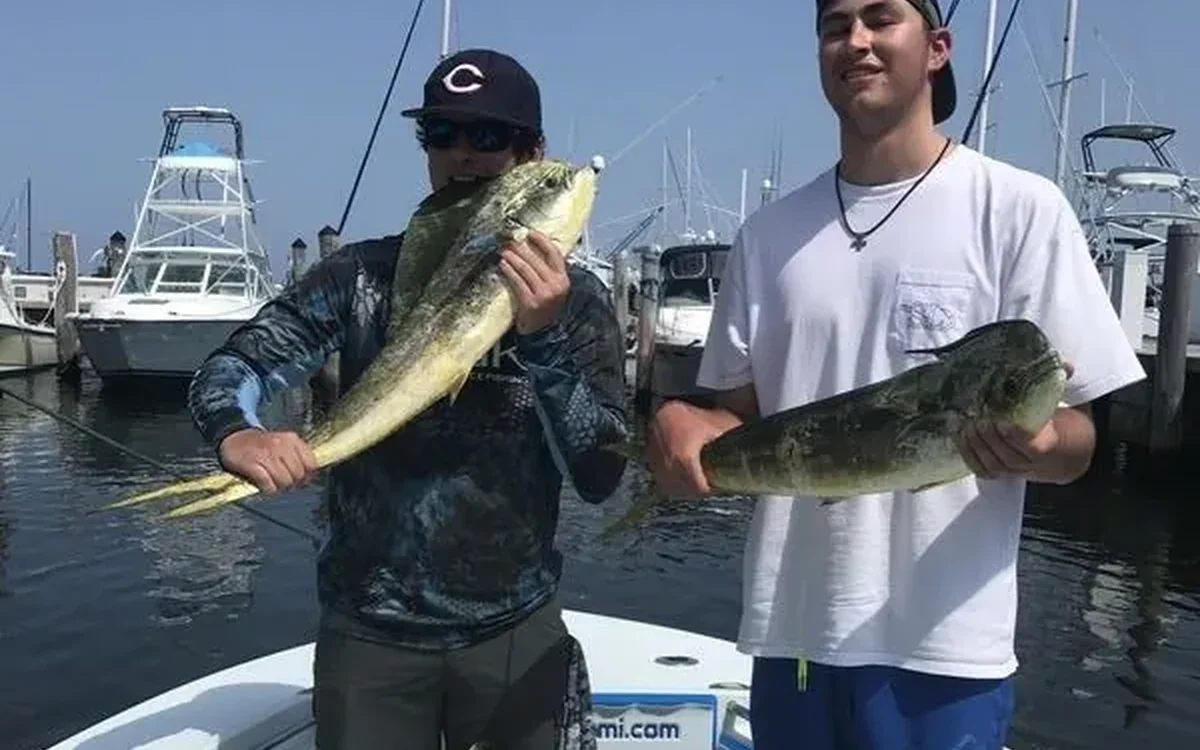
The best fishing happens in depths of 200 to 600 feet, especially during the early morning and late afternoon when fish are most active. Productive summer tactics include running and gunning for surface mahi schools, deep dropping for tilefish, live baiting around weed lines, and trolling at dawn and dusk. The summer mahi run is a favorite, and our mahi-mahi charters stay busy chasing those electric green-and-gold schools along the weed lines.
Fall Fishing in Miami (September to November)
Fall is a transition season, with water temperatures dropping into the 75 to 80 degree range. The top targets shift to kingfish, tuna, and the first of the returning sailfish, found mostly in 100 to 250 feet. The key variable is weather - the first cold fronts of the year start sweeping through, so watch the forecast closely.
Fall fishing rewards anglers who adapt to changing conditions and fish behavior. As waters cool, slow trolling live baits and kite fishing become highly effective. Bottom fishing the deeper structures produces well, especially when you work the current edges. Many anglers transition from offshore trolling to our wreck and bottom fishing trips as the fronts move through and the bottom bite turns on.
Winter Fishing in Miami (December to February)
Winter brings special opportunities to Miami waters, with temperatures ranging from 68 to 74 degrees. This is the prime season for sailfish, wahoo, and blackfin tuna, typically found in depths of 80 to 200 feet. Success depends largely on watching wind direction and adapting to changing conditions.
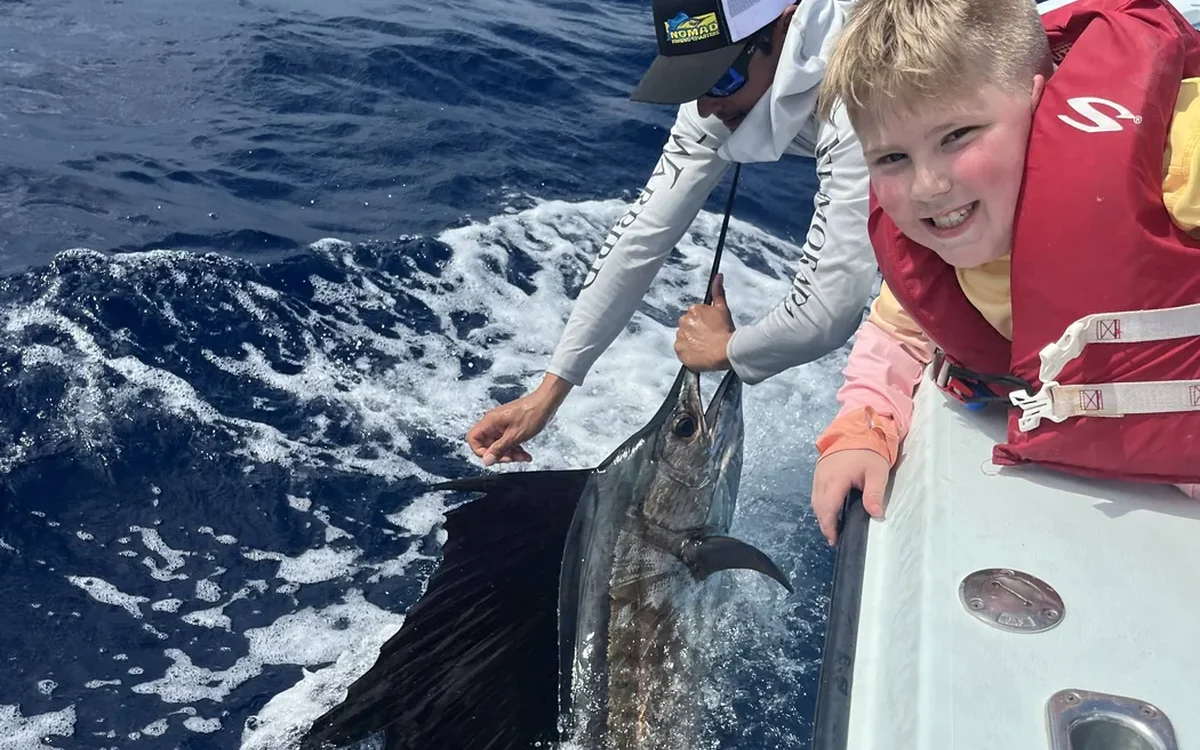
The go-to winter tactics are kite fishing for sailfish, high-speed trolling for wahoo, live baiting near inlets, and working the color changes where clean blue water meets greener inshore water. Cold fronts that push down from the north stack sailfish along the reef edges off Miami Beach, making winter the most exciting season of all for kite anglers.
Year-Round Tips for Offshore Success
No matter the season, a few habits separate good days from great ones offshore. Check the weather forecast before you commit to a plan, monitor water temperature for the breaks pelagics relate to, and watch current patterns where bait and predators concentrate.
On the water, look for bird activity, since diving birds mark feeding fish, and track bait movements to stay on the action. These fundamentals apply on every trip we run out of Miami, whether we are kite fishing for sailfish in January or chasing mahi in July.
Frequently Asked Questions
What is the best season for offshore fishing in Miami?
Every season fishes well, but winter is prime for sailfish, wahoo, and blackfin tuna, while summer is best for mahi-mahi and wahoo. Spring offers a strong mix of sailfish and tuna as the water warms.
How far offshore do you have to go for big fish in Miami?
Not far. The Gulf Stream runs close to shore here, so blue water and pelagics like mahi and sailfish sit within a few miles of the inlet on a typical offshore run.
What depths produce the best offshore fishing in Miami?
It depends on season: 120 to 300 feet in spring, 200 to 600 feet in summer, 100 to 250 feet in fall, and 80 to 200 feet in winter. Water temperature and current breaks fine-tune the exact depth.
How do cold fronts affect Miami offshore fishing?
Cold fronts often trigger heavy feeding before they arrive and stack sailfish along the reef edges afterward. Winter fronts are exactly what make the kite fishing bite off Miami so good.