Species Guides
Best Bait and Lures for Miami Mahi-Mahi
By Nomad Fishing Charters | December 6, 2024 · 7 min read
Live Bait Options for Mahi-Mahi
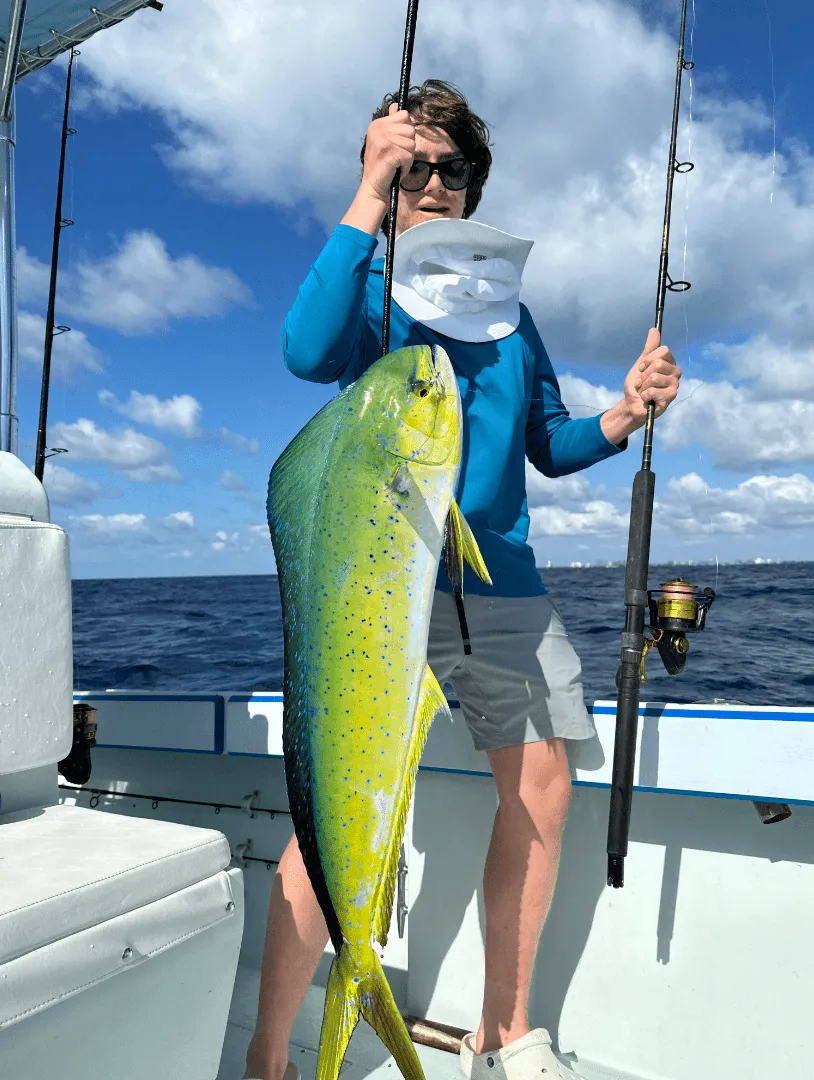
Miami's offshore waters offer excellent mahi-mahi fishing opportunities year-round. Choosing the right bait and lures can make the difference between a successful day and coming home empty-handed.
Live bait remains the most effective way to catch mahi-mahi in Miami waters. These fish are aggressive predators that respond well to moving bait. The proven producers are pilchards (Spanish sardines), goggle-eyes, blue runners, ballyhoo, and thread herring.
Keeping these baits frisky is its own skill, and it is the foundation of our live bait and kite fishing trips off the Miami coast.
Rigging Live Bait the Right Way
Proper rigging keeps your bait swimming naturally and increases catch rates. Use 30 to 50 pound fluorocarbon leader with 5/0 to 7/0 circle hooks. The hook should be placed through the nose or behind the anal fin for different swimming actions.
A nose-hooked bait tracks straight in a trolling spread, while a bait pinned behind the anal fin pulls down and struggles, which often triggers a reaction strike from a hungry Miami mahi-mahi. Match the rig to how you are presenting the bait.
Artificial Lures That Work
When live bait is not available, several artificial lures produce consistent results. Ballyhoo-style trolling lures, cedar plugs, and feather jigs all earn their place in the spread. Soft plastic swimming baits and surface poppers round out the selection.
Lures shine when you are covering water and locating schools, which pairs naturally with a run and gun approach of chasing birds, weed lines, and floating debris until you find fish.
Color Selection by Conditions
Water clarity and light conditions affect lure color effectiveness. Dialing in the right color for the day often turns a slow bite into a steady one. In clear water, blue/white and green/yellow tend to shine, while cloudy water favors orange/yellow and pink/white. Run dark colors early in the morning and lighter colors under bright sun.
When the bite is tough, switching colors before switching spots is usually the faster fix.
Trolling Speeds and Seasonal Bait
Trolling speed matters when using different baits. Run live bait at 4 to 6 knots, artificial lures at 6 to 9 knots, and cedar plugs at 7 to 10 knots. Matching speed to your offering keeps everything tracking the way the fish expect.
Miami mahi-mahi also change their feeding habits through the year. In spring, from March to May, flying fish and ballyhoo work best as larger mahi-mahi arrive. Through summer, from June to August, smaller baits like pilchards and sardines produce better during peak season.
In fall, from September to November, mixed baits work well as fish feed heavily before winter. During winter, from December to February, larger artificial lures can outperform live bait in the cooler months.
These offshore patterns play out a short run from Miami Beach, where the color change and weed lines concentrate feeding mahi.
Presentation and Conservation
Proper presentation increases your chances of success. Keep live baits fresh and lively, change baits regularly when trolling, vary trolling speeds to trigger strikes, and match bait size to the local forage. Small adjustments through the day keep the spread looking natural.
Responsible bait practices help maintain healthy fish populations. Keep only what you need and handle live bait carefully to reduce waste. If you want to fish proven baits and techniques without the trial and error, our crew supplies all the bait and gear. You can review trip options on our charters and rates overview.
Frequently Asked Questions
What is the best bait for mahi-mahi in Miami?
Live pilchards, goggle-eyes, blue runners, ballyhoo, and thread herring are the top producers. Mahi are aggressive predators that respond best to a frisky, naturally swimming bait fished on our live bait trips.
What color lure works best for mahi-mahi?
Blue/white and green/yellow shine in clear water, while orange/yellow and pink/white pull better in cloudy water. Use darker colors early and lighter colors under bright sun.
How fast should I troll for mahi-mahi?
Run live bait at 4 to 6 knots, artificial lures at 6 to 9 knots, and cedar plugs at 7 to 10 knots. Match the speed to your offering so everything tracks naturally.
Can you catch mahi-mahi off Miami year-round?
Yes. Miami's offshore waters hold mahi all year, though the bait of choice shifts seasonally. Larger fish arrive in spring, peak numbers come in summer, and larger artificials can outproduce live bait in winter.