Local Fishing Spots
Best Inshore Fishing Spots in Fort Lauderdale
By Nomad Fishing Charters | February 10, 2026 · 10 min read
The Inshore Scene Most Anglers Miss
Fort Lauderdale is not just canals and cruise ships. The inshore waters here hold serious fish - snook, tarpon, jacks, snapper - and if you know where to look, you will find them stacked up in places most people drive right past. The Intracoastal runs through the city like a vein, fed by rivers, inlets, and backwater cuts that create ambush points for everything with fins and an appetite.
Most anglers think they need a boat to get into the good stuff. They do not. Some of the best action happens within walking distance of a parking lot.
Whether you are wading flats or drifting a channel, the fish do not care about your setup. They care about structure, tide, and bait. Get those three things right, and the inshore scene shows you what it is made of.
The New River Holds More Than You Think
Winding through downtown, the New River does not look like a fishing spot. It looks like a postcard. Mansions on one side, mangroves on the other, and enough boat traffic to make you wonder if the fish even stick around. They do.
Snook post up under docks and along seawalls, waiting for bait to flush through on the tide. Tarpon roll in the deeper bends, especially in the warmer months. Jack crevalle patrol the bridges, and mangrove snapper hide in the shadows.
Early morning is when the river wakes up. Before the yachts start moving and the jet skis fire up, the water is calm and the fish are feeding. Target the pilings, the mangrove edges, and anywhere the current pushes through tight.
Live shrimp works, but so do soft plastics if you are working them slow. The New River is not a secret, but it is productive, and that is what matters.
The Intracoastal Is a Highway for Predators
The Intracoastal Waterway cuts through the city like a main artery, connecting inland waters to the ocean and creating a migration route for everything that swims. Snook, redfish, tarpon, and sea trout all use the ICW to move between feeding zones. The key is finding where they stop - docks, seawalls, mangrove points, channel edges. Anywhere structure meets current, you will find fish.
Tidal movement is everything here. When the water is moving, the bait moves with it, and the predators follow. Fish the transitions, because incoming tide pushes bait into the shallows while outgoing pulls it back toward the channels.
Night fishing is underrated on the ICW. Dock lights attract baitfish, and snook will sit in the shadows waiting to ambush. Throw a topwater plug or a paddle tail and you will get their attention fast.
Port Everglades Inlet Brings Ocean Fish Inshore
Port Everglades Inlet is where the Atlantic meets the inland waterways, and it is a funnel for everything moving between the two. Tarpon stage here during migration season, rolling in the current and crushing bait. Snook line the jetties and the edges of the channel, and jack crevalle patrol the deeper water looking for anything that moves. The inlet is a high-traffic zone, so you need to stay sharp and know the rules.
Fishing the jetties is productive, but it is also crowded. Get there early or fish the outgoing tide when the current pulls bait out of the harbor. Live mullet or pilchards work well, but so do jigs if you are bouncing them along the rocks.
The inlet is not a place to relax. It is a place to stay focused and be ready when the bite turns on.
Dania Beach Pier Puts You Over Deeper Water
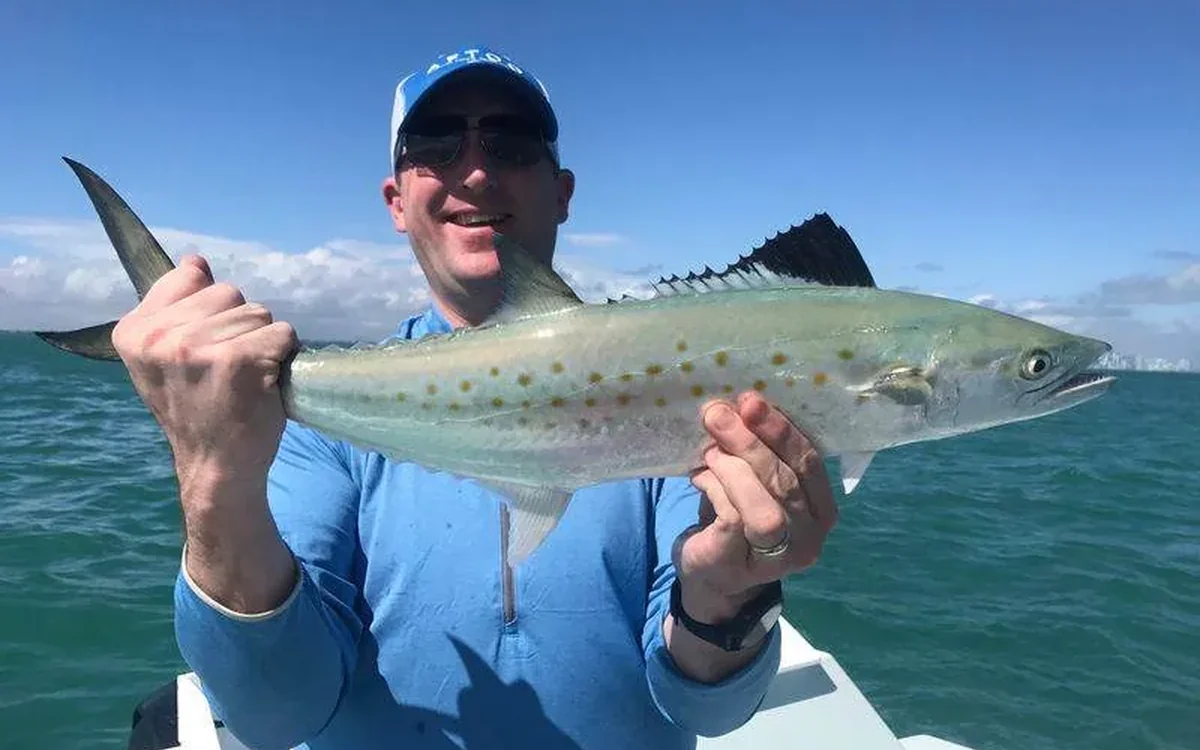
Just south of the city, Dania Beach Pier stretches into the Atlantic and gives you access to water you would normally need a boat to reach. Snook, pompano, Spanish mackerel, and bluefish all cruise past the pilings, and the pier's structure creates an artificial reef that holds bait and attracts predators. It is a solid option if you do not have a boat or just want to fish without dealing with launch ramps.
The pier is well-maintained, with bait shops and cleaning stations on-site. Early morning and late evening are prime time. Bring a variety of rigs because conditions change fast. Bottom rigs work for pompano, jigs work for mackerel, and live bait works for just about everything else.
Middle River Rewards the Quiet Approach
Middle River does not get the attention the New River does, but it should. This winding waterway cuts through residential neighborhoods and mangrove-lined banks, creating a quieter, more intimate fishing experience. Snook, tarpon, and jacks all call this river home, and the lack of heavy boat traffic means the fish are less spooked. Kayak and paddleboard fishing are popular here because you can slip into tight spots and work the mangroves without making noise.
The river is productive year-round, but the warmer months bring the best action. Fish move into the shallows to feed, and you can sight-cast to them if the water is clear. Topwater plugs, soft plastics, and live bait all work, but presentation matters more than gear. Move slow, stay quiet, and let the fish tell you where they are.
Hugh Taylor Birch State Park Offers Access and Scenery
Tucked between the Atlantic and the Intracoastal, Hugh Taylor Birch State Park gives you options. You can fish the ICW side for snook, tarpon, and mangrove snapper, or explore the park's coastal dune lakes for a different kind of experience. Shore fishing is the main draw here, and the park's trails and picnic areas make it a good spot if you are bringing family or just want to mix fishing with time outdoors.
The park is not a high-volume spot, but it is peaceful and productive if you put in the time. Fish the mangrove edges, the docks, and anywhere the current creates a seam. Early morning and late afternoon are best, and live shrimp or small jigs will get bites.
It is also a good place to learn if you are new to inshore fishing. The environment is forgiving, and the fish are there.
What You Need to Know Before You Go
Inshore fishing here is accessible, but it is not automatic. The fish are there, but you need to understand the conditions and adjust your approach. Tide matters more than time of day in most spots.
Moving water brings bait, and bait brings predators. Plan your trip around the tide chart, not just your schedule.
Bait selection depends on what you are targeting, but live shrimp, pilchards, and mullet cover most situations. Artificial lures work too. Do not overthink the gear, but do respect the regulations.
Check tide charts before you leave and plan your trip around moving water. Live shrimp and pilchards are reliable, but soft plastics and topwater lures work when fish are aggressive. Respect size and bag limits, because the fishery depends on it.
Wear sunscreen, bring water, and stay aware of boat traffic in busy areas. Practice catch and release when possible to keep the fishery healthy.
Gear, Timing, and Local Knowledge
You do not need a tackle shop's worth of gear to fish these inshore waters, but you do need the right tools. A medium-action spinning rod with 10 to 15 pound test line handles most situations. Bring a variety of terminal tackle and a selection of lures that cover different depths. Polarized sunglasses help you spot fish in the shallows, and a landing net makes releasing fish easier.
The fishing is good year-round, but certain times are better. Spring and fall bring migrations of tarpon, snook, and jacks. Summer fish are active early and late, and winter fishing stays solid in deeper water and near warm-water discharge.
Time of day matters, but tide matters more. Fish the hour before and after a tide change, and pay attention to the moon. Full and new moons create stronger tides that can turn on the bite.
Local knowledge speeds up the learning curve. Hiring a guide for a half-day trip is worth it if you are new to the area. A good guide will not just put you on fish. They will teach you how to read water and understand tides.
Choosing the right fishing charter turns trial and error into a real plan and accelerates your learning curve on the water.
Respect the Water and the Fish
The inshore fishery here is healthy, but it is not bulletproof. Overfishing, habitat loss, and poor handling all take a toll. If you are keeping fish, know the regulations and stay within the limits.
If you are releasing, do it right. Wet your hands, minimize air exposure, and revive the fish before letting it go. The fishery is only as strong as the people using it.
Trash does not belong in the water. Pack out what you pack in, and pick up anything you see that does not belong. The spots that produce today will keep producing tomorrow if we treat them right.
From here it is a short run south to the productive water around Sunny Isles Beach and the rest of the Miami coastline, all of it worth protecting. The opportunities are real, but they do not come to you. You have to go find them and be ready when they show up.
Frequently Asked Questions
Do I need a boat to fish inshore in Fort Lauderdale?
No. Many of the best spots, including Dania Beach Pier and the shorelines at Hugh Taylor Birch State Park, are accessible from shore. A boat or kayak opens up more water, but plenty of fish are caught within walking distance of a parking lot.
What is the best bait for inshore fishing here?
Live shrimp, pilchards, and mullet cover most situations. Soft plastics, topwater plugs, and jigs all produce when fish are aggressive. Match the bait to your target and work it with the moving tide.
When is the best time to fish inshore?
Tide matters more than time of day. Fish the hour before and after a tide change, and favor early morning and late evening. Spring and fall bring migrations of tarpon, snook, and jacks in higher numbers.
Is it worth hiring a guide for inshore fishing?
Yes, especially if you are new to the area. A good guide puts you on fish faster and teaches you how to read water and tides. You can learn what to look for on our why choose us overview.