Charter Guide
Planning a Miami Charter for Sailfish and Mahi
By Nomad Fishing Charters | May 21, 2026 · 8 min read
Booking Smart Beats Hoping for Luck
Most anglers think booking a charter is simple: pick a boat, show up, and hope the fish cooperate. But the Gulf Stream does not care about your schedule, and neither do sailfish.
If you are serious about targeting these species, along with the acrobatic mahi that light up Miami’s offshore waters, you need more than luck. You need a plan grounded in timing, tactics, and who is running the deck.
Here is the reality. Miami puts you within striking distance of top-tier pelagic action, but only if you know when to go, what to look for, and how to separate the pros from the pretenders.
Every charter claims they will put you on fish, but not all of them can back it up. Start by comparing real Miami charter options and rates so you know what you are paying for.
The Gulf Stream Changes Everything
Miami sits on the edge of one of the most productive marine highways in the Atlantic. The Gulf Stream runs close, sometimes just a few miles offshore, and it pulls in everything from baitfish to apex predators. Sailfish ride that current during their winter migration, stacking up in numbers that draw anglers from around the globe. Mahi follow the weed lines and debris that drift along the stream’s edge, hunting anything that looks like food.
What makes this location special is not just proximity, it is consistency. You are not gambling on a long run to blue water. You are fishing it within twenty minutes of leaving the dock, often straight out from Key Biscayne.
That means more time with lines in the water and less fuel burned getting there. When conditions align, current breaks, temperature changes, clean water meeting green, the action can be explosive.
Winter Brings the Sails
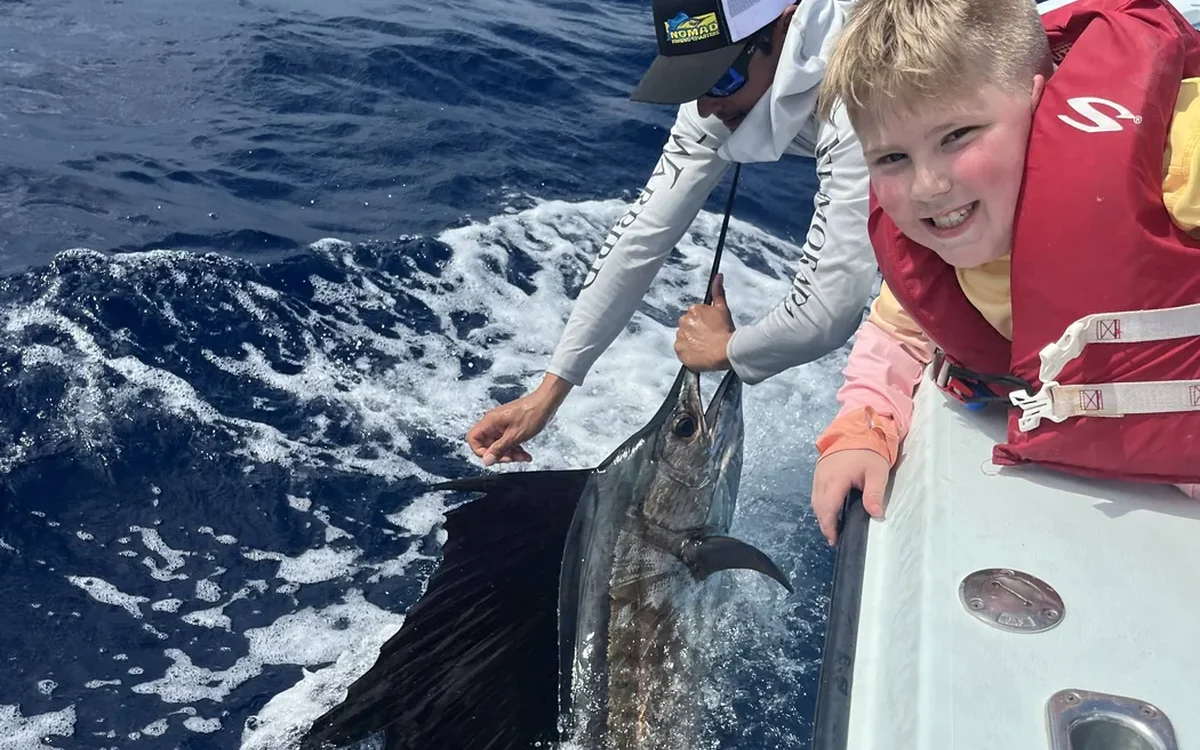
Sailfish season in Miami peaks between November and April, when cooler water temps push bait south and sailfish follow. This is when kite fishing dominates the spread, with live baits dancing on the surface and sails rising to crush them in spectacular fashion. It is visual, it is technical, and when it is on, it is as good as offshore fishing gets.
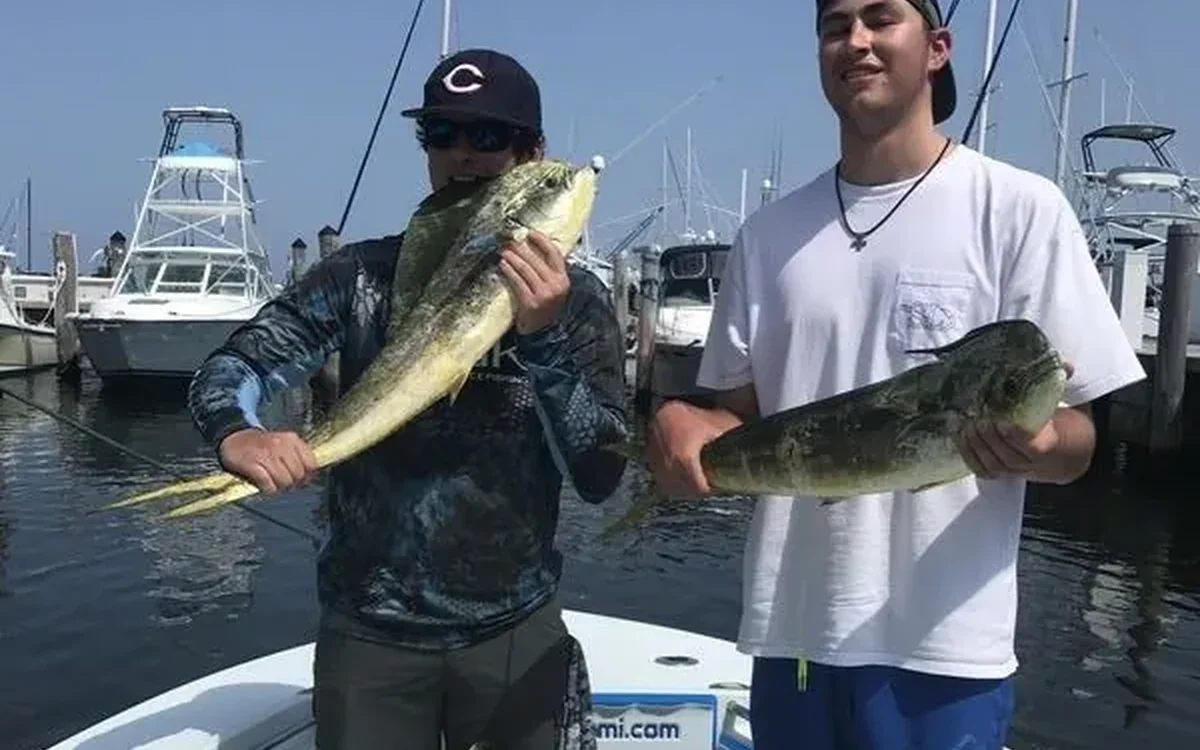
Mahi, on the other hand, show up strong from late spring through early fall. They are opportunistic, aggressive, and they travel in packs, so one hookup often leads to three more. But they are also transient, here today, gone tomorrow.
That is why having a captain who knows how to read the water matters more than any glossy brochure.
Not All Charters Are Built the Same
You will find dozens of operations advertising sailfish and mahi trips. Some are legitimate. Some are just filling seats. The difference shows up in the details: crew experience, boat maintenance, tackle quality, and how they handle the fish once they are hooked.
- Ask how long the captain has been running charters in Miami
- Check if they specialize in sailfish and mahi or just offer it as an add-on
- Confirm what is included in the trip cost: tackle, bait, licenses, and cleaning
- Look for operations that practice catch-and-release for sailfish
- Read recent reviews, not just the ones featured on their homepage
A legitimate charter offers more than a ride. You want a captain who has been running these waters for years, a mate who can rig baits and manage multiple hookups, and a boat equipped for the job. Our track record and approach were built around exactly that standard.
Kite Fishing Is Not Just for Show
If you have never seen kite fishing in action, it looks almost theatrical. Live baits, usually goggle-eyes or pilchards, are suspended from kites flying high above the boat, skipping across the surface like panicked prey. Sailfish cannot resist. They rise, they strike, and the fight is on.
It is not just effective, it is the go-to method during peak season. But it requires skill, because the crew has to manage wind, current, multiple kites, and live bait all at once.
If they are fumbling through it, you are wasting prime hours. If they are dialed in, you will see why live bait and kite fishing has become the Miami standard.
The method works because kites let you fish multiple baits at varying distances, and live bait on the surface triggers aggressive strikes. It is highly visual, so you will see the fish before they hit. Kite fishing works best in light to moderate wind and requires a skilled crew to execute properly.
Mahi Love Floating Trash
Mahi are not picky about real estate. Anything floating, weed mats, pallets, boards, even trash, becomes a magnet. They use it for shade, ambush cover, and feeding zones. Smart captains scan the horizon for debris and work it methodically.
Trolling is effective when you are covering water, but once you find a school, switching to vertical jigging or small jigs can keep the action going. Mahi are fast, colorful, and they put on a show. They are also excellent table fare, which is why most charters let you keep a reasonable number within legal limits.
- Look for floating debris, weed lines, or color changes
- Mahi often travel in schools, so one fish means more nearby
- They hit hard and jump often, great for all skill levels
- Legal size and bag limits apply, so know the rules
- Fresh mahi fillets are a bonus you will actually want to take home
Gear, Timing, and Communication
You should not have to bring your own rods unless you want to. A professional charter provides everything: spinning gear, conventional setups, leaders, hooks, and bait. If they are asking you to supply tackle for an offshore trip, that is a red flag.
What you do need to bring is sun protection, hydration, and realistic expectations. Pack polarized sunglasses, sunscreen that will not wash off, a hat with a strap, non-slip shoes, and seasickness meds if you are even remotely prone.
Timing matters too. Early morning trips are popular because fish are more active and the water is calmer. A captain plugged into the local fleet, and willing to adjust the game plan, will outperform one who runs the same track every trip.
Communication beats assumptions every time. Tell your captain whether you want to focus on sailfish or load the cooler with mahi, and be honest about your experience level. The easiest way to start that conversation is to reach out before your trip.
Catch-and-Release Keeps the Fishery Strong
Sailfish are almost always released in Miami. It is not just good practice, it is the culture. These fish are too valuable as a renewable resource to treat like trophies for the wall. A proper release means keeping the fish in the water, removing the hook quickly, and reviving it if needed before letting go.
Mahi are different. They are fast-growing, abundant, and excellent to eat. Most charters allow you to keep a legal limit, and the crew will fillet them for you dockside.
Just do not expect to keep everything you catch. Regulations exist for a reason, and reputable charters follow them. The same conservation mindset shapes how we run trips out of Miami and beyond.
Get What You Paid For
Booking a Miami fishing charter for sailfish and mahi is not about checking a box. It is about stacking the odds in your favor: picking the right crew that knows the water, fishing during the right season, and showing up ready to make the most of it. Understanding how the wind and current behave will help you time your trip, and matching your bait to the target can make all the difference.
The Gulf Stream will do its part. The fish will show up. What happens next depends on who is running the boat and whether you trusted the process enough to pick the right one.
Ready to target sailfish and mahi off Miami? Call Capt. Orly at 786-266-0171 or request your Miami charter date to start planning the trip.
Frequently Asked Questions
When is the best time to fish for sailfish in Miami?
Sailfish season peaks from November through April, when cooler water pushes bait south and the sailfish follow. This is prime time for kite and live bait fishing, with sails rising to crush baits dancing on the surface.
When can you catch mahi-mahi off Miami?
Mahi show up strong from late spring through early fall. They travel in schools around floating debris and weed lines, so one hookup often means several more. They hit hard, jump often, and make excellent table fare within legal limits.
What should I look for when booking a sailfish and mahi charter?
Ask how long the captain has run Miami waters, confirm they specialize in sailfish and mahi, and check what is included: tackle, bait, licenses, and cleaning. Look for operations that release sailfish and have strong recent reviews. That standard is what separates a charter that delivers from one just filling seats.
Do I need to bring my own gear?
No. A professional charter provides rods, reels, leaders, hooks, and bait. You only need sun protection, hydration, non-slip shoes, and seasickness medication if you are prone to it. If a charter asks you to supply offshore tackle, treat it as a red flag.