Local Fishing Spots
Top Locations for Trophy Tarpon in Miami
By Nomad Fishing Charters | November 1, 2024 · 9 min read
Where the Trophy Tarpon Live in Miami
Miami's waters are perfect for catching trophy tarpon, with many spots offering excellent chances to land these powerful fish. From the calm waters of Biscayne Bay to the bridges of Miami Beach, knowing where to find tarpon can make your fishing trip a success.
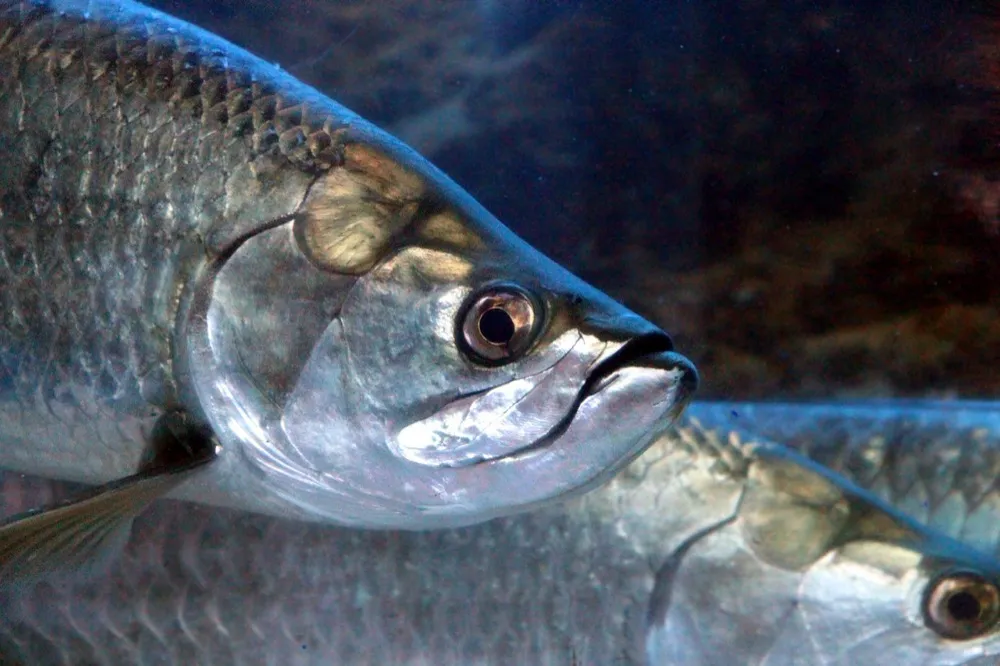
The silver king is the headline catch of South Florida, and Miami sits right in the path of the spring migration. The fish stage around deep channels, bridge structure, and inlet currents where bait funnels through. Putting clients on these spots consistently is the focus of our Miami tarpon fishing charters.
Government Cut and the Biscayne Bay Flats
Government Cut is one of the best spots to catch trophy tarpon, especially during the spring migration. The deep channel creates strong currents that tarpon love, making it a prime location from March through June. Early morning and late evening hours give the best chances at these silver kings, and the area near the jetties mixes structure and current that pulls in baitfish. Live mullet, crabs, and pinfish all work well, with the incoming tide producing best.
The flats of Biscayne Bay shine during summer, when the shallow water heats up and tarpon move in to feed. The zone between Key Biscayne and Miami Beach is especially productive. Early morning sessions targeting rolling tarpon pay off, particularly where deeper channels meet the flats and tarpon use them as highways between feeding grounds.
The Bridges: Julia Tuttle, Port of Miami & MacArthur
The Julia Tuttle Causeway connecting Miami and Miami Beach is a proven hotspot. Bridge shadows and structure shelter baitfish, and nighttime fishing under the lights is deadly. Anchor up-current and let your bait drift naturally toward the pilings - live shrimp and crabs are top choices, especially in the slower summer months.
The Port of Miami Bridge holds tarpon year-round, peaking in spring and fall, with deep water and strong current that favor big fish during tide changes. Anglers do well on live mullet and crabs by day, switching to artificials at night, with the western end usually best. The MacArthur Causeway also stacks tarpon during the spring migration, where deep channels and bridge structure form perfect ambush points on outgoing tides. These spots produce the same hard-fighting fish we celebrate on our trophy tarpon trips.
Haulover Inlet and Bear Cut Bridge
Haulover Inlet in North Miami Beach is another prime trophy tarpon location. The inlet's strong current attracts large schools of baitfish, creating a natural feeding station. Dawn and dusk are most productive, and the spots near the jetties where tarpon ambush prey are the ones to work. In summer, the early morning incoming tide offers excellent sight fishing.
Bear Cut Bridge between Key Biscayne and Miami delivers consistent action all year. The structure shelters bait and creates current breaks tarpon exploit, and it is especially good in winter when fish seek warmer, more stable water. Fishing the shadow lines early or late yields the best results, on live mullet and pinfish or artificials during active feeding. These inlets sit a short run from Sunny Isles Beach and the north Miami passes.
Tackle, Tides, and Techniques for Miami Tarpon
Success at these spots depends on technique. Circle hooks are essential for catch and release, which is standard with tarpon, and 30 to 50 pound test line is the norm for Miami fish. When fishing bridges and structure, anchor positioning is critical - always set up-current and let your bait drift naturally toward the structure so the presentation looks alive.
Tides drive the bite. The first few hours of an incoming or outgoing tide produce best across every Miami location, and the strong tides around new and full moons are prime. Live mullet, crabs, and pinfish are the workhorse baits, the same ones that produce on our live bait and kite fishing charters for a range of species.
Seasonal Timing, Weather, and Conservation
While tarpon can be caught year-round, the peak season runs March through June during the spring migration. Cold fronts can slow the bite, while stable warm weather improves it - tarpon prefer water above 75 degrees. In winter, focus on deeper channels and bridge areas where temperatures stay stable; in summer, fish the flats early before the water heats up.
These fish are caught for sport and must be handled with care. Florida requires a tarpon tag to harvest one, but catch and release is strongly encouraged. Keep the fish in the water as much as possible, support its weight horizontally for any photos, and revive it fully before release. Working with a guide who knows the patterns at each spot makes the difference, and our about Nomad Fishing Charters overview explains our approach.
Frequently Asked Questions
When is the best time to catch trophy tarpon in Miami?
The spring migration from March through June is the peak season for big tarpon. Early morning and late evening are prime, and night fishing around lighted bridges is highly productive in summer.
What bait works best for Miami tarpon?
Live mullet, crabs, and pinfish are the top baits at most Miami spots, with live shrimp effective at bridges in summer. Artificial lures produce well during low-light and night sessions when tarpon feed aggressively.
What tackle do I need for trophy tarpon in Miami?
Use 30 to 50 pound test line and circle hooks for catch and release. Anchor up-current of bridges and structure and let your bait drift naturally toward the pilings for the most natural presentation.
Do I need a permit to keep a tarpon in Florida?
Yes. Florida requires a tarpon tag to harvest one, but catch and release is strongly encouraged. Most anglers release every tarpon to protect the fishery for the future.