Local Fishing Spots
Best Snapper Fishing Spots in Miami
By Nomad Fishing Charters | March 10, 2026 · 10 min read
Miami Is a Snapper Town
Most anglers think Miami is just about marlin and mahi. Big game, big water. But the real action is in the shallows, around the reefs, and under the bridges where snapper stack up thick.
These fish care about structure, current, and whether you brought the right bait. If you are serious about putting snapper in the cooler, you need to know where they live and when they bite.
Miami has snapper grounds within minutes of the boat ramp, but not every spot produces the same. Some are loaded with mangroves. Others hold mutton and yellowtail. And if you are fishing blind without a plan, you are wasting fuel and daylight.
Every location has its rhythm, every tide window matters, and every trip should be built around where the fish are.
The Bay Holds More Than You Think
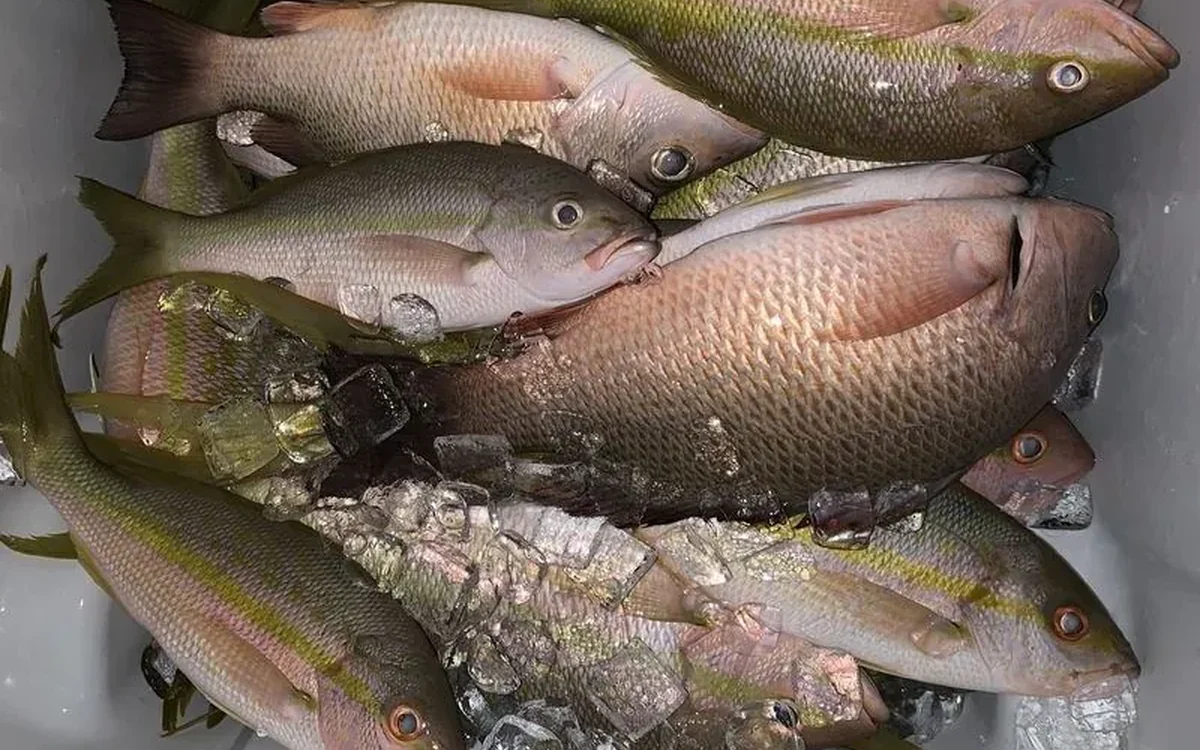
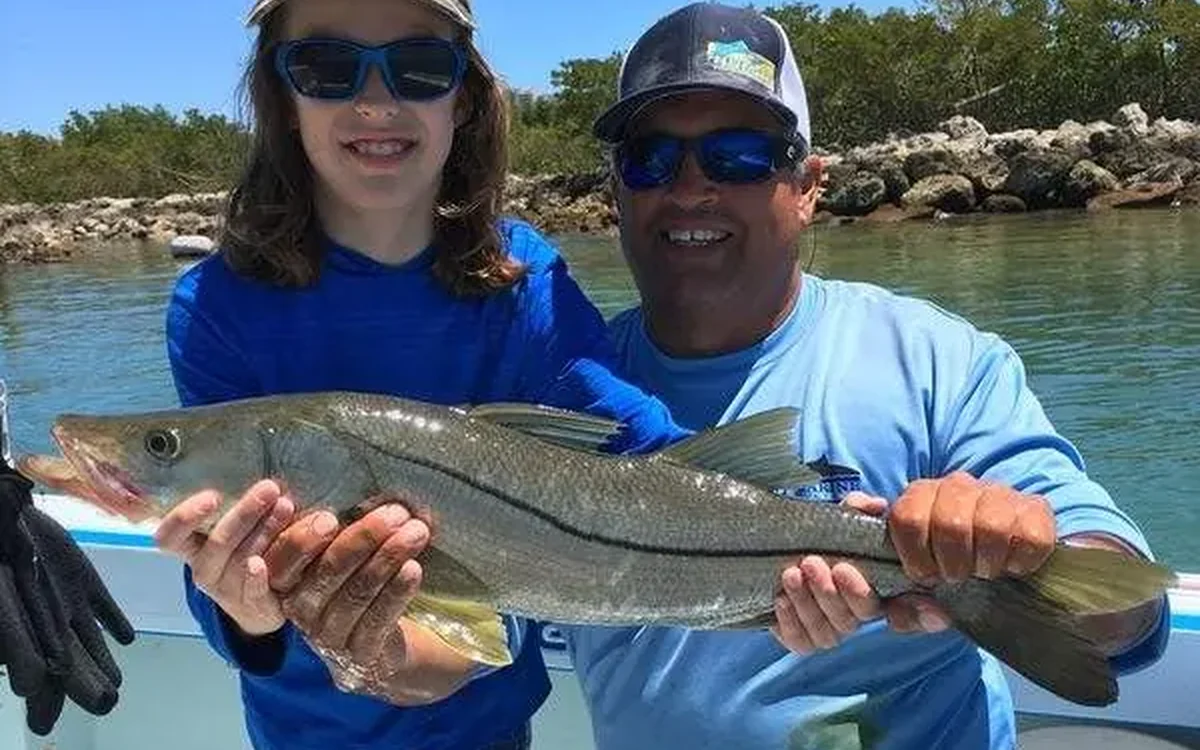
Biscayne Bay is not just a postcard backdrop. It is a snapper factory. Mangrove snapper cruise the channels and tuck into the roots when the sun climbs. Mutton snapper patrol the deeper cuts, especially near the spoil islands and grass flats that drop into sand.
Lane snapper show up in numbers when the water warms, and they will hit anything that moves. The best action happens early or late, and dawn and dusk bring feeding windows you cannot ignore.
Live shrimp works, but pilchards and threadfins get the bigger bites. Fish the bridges, the markers, and anywhere structure breaks the current. The bay is forgiving for beginners, but it rewards those who know how to read the water.
Government Cut Runs Deep and Fast
Government Cut is where the port meets the ocean, and the current rips through like a freight train. That flow pulls bait, and snapper follow. The jetties on both sides hold fish year-round, but summer nights are when things get serious. Mutton snapper, mangroves, and even the occasional cubera move in after dark.
You will need weight to hold bottom and tackle strong enough to pull fish out of the rocks. The current does not quit, and neither do the fish. Cut bait, live crabs, and big pilchards all produce.
Just do not expect a quiet evening. This spot fishes hard, and the reward matches the effort.
Haulover Inlet Moves Bait and Predators
Haulover Inlet connects the Intracoastal to the Atlantic, and that exchange zone is snapper heaven. The rocks along the channel edges hold fish on every tide. Mangroves and muttons stack up near the jetties, and yellowtail cruise the deeper water just outside the inlet mouth.
Shore anglers can work the rocks, but boat fishermen have the advantage here. The current shifts fast, and positioning matters. Early morning and late evening are prime, especially when the tide is moving.
Live bait gets hit hard, and if you are not ready, you will lose more than you land. Bring backup rigs and expect company, because this inlet stays busy.
Offshore Structure Stacks Them Up
The reefs off Miami Beach are not just for divers. They are loaded with snapper, and the variety is hard to beat. Yellowtail, mutton, mangrove, and lane snapper all call these reefs home. Natural ledges and artificial wrecks create ambush points, and the fish use them well.
Charter captains hit these spots daily, but private boaters can access them too. Live bait and jigs both work, depending on depth and current. Summer brings the spawn, and that is when the bite goes off.
Working this structure is exactly what our wreck and bottom fishing trips are built for. Check the regs before you drop a line, because size and bag limits are enforced.
The Causeway Delivers From Shore or Boat
Rickenbacker Causeway is one of Miami's most accessible snapper spots. The bridge pilings create current breaks, and mangrove snapper love them. You can fish from the designated shore areas or anchor a boat nearby and work the structure from the water. It is an easy run from the marinas near Coconut Grove.
Live shrimp is the go-to here, but small pinfish and cut bait also produce. The fish are not huge, but they are consistent. And the view is hard to beat.
You are casting with the Miami skyline in the background. It is a solid choice for a quick trip or a family outing.
Matheson Hammock Offers Calm Water and Steady Bites
Matheson Hammock Park sits in Coral Gables, and it is a different vibe from the high-traffic spots. The marina and mangrove shoreline are perfect for light tackle and kayak fishing. Snapper move through the shallows, especially during higher tides, and the calm water makes it easy to work your bait.
This spot does not get the crowds, which means you can fish without fighting for space. It is ideal for anglers who want a quieter experience or families introducing kids to the sport. The fish are there. You just have to slow down and fish smart.
What Works When You Are On the Water
Snapper are not complicated, but they are not stupid either. You need the right approach, and that starts with understanding what triggers them. Bait selection, timing, and location all matter. Miss one, and you are just feeding the baitfish.
Live shrimp and pilchards are top choices for most snapper species, and early morning and late evening produce the most aggressive bites. Moving tides activate feeding behavior, especially around structure. Heavier tackle is necessary where the current is strong or the bottom is rocky, and night fishing can outproduce daytime trips, particularly in summer.
And plenty of trips fall apart before the first cast. Fishing the wrong tide phase, using bait that is too big or rigged poorly, ignoring structure, overlooking size and bag limits, or failing to adjust depth when bites slow all cost you fish.
Gear, Timing, and Reading the Water
Snapper do not require specialized gear, but you need tackle that can handle structure and current. Medium to medium-heavy rods with enough backbone to pull fish away from rocks are ideal. Pair that with a reel that has a smooth drag and enough line capacity for deeper water. Braided line offers sensitivity and strength, fluorocarbon leaders reduce visibility and resist abrasion, and circle hooks improve hookup rates while making release easier.
Timing is everything. Dawn and dusk are the most productive windows, and night fishing can be even better around lighted structure. Incoming tides push bait toward structure where snapper ambush, while outgoing tides pull bait through channels and cuts where snapper wait. Slack tide is usually the slowest period.
Reading the water saves the trip. If the water is dirty, snapper rely more on scent. If it is clear, they are more cautious.
Birds diving mean bait is up, and bait flipping on the surface means predators are pushing them. If you are marking fish but not getting bites, adjust your depth or presentation.
Putting It All Together
Miami's snapper fishing is not a secret, but it is not automatic either. The spots are there. The fish are there. But showing up without a plan or the right gear means you are hoping for luck instead of creating it.
Know where you are going, what you are targeting, and how to adjust when the bite slows. That is what separates a good trip from a great one.
We have fished these waters long enough to know what works and what does not. Tight lines and full coolers happen when you fish smart, stay patient, and respect the water that gives so much back. If you would rather fish with a captain who already knows the tide windows and the productive structure, review the options on our charters and rates overview.
Frequently Asked Questions
What is the best snapper spot in Miami?
It depends on the conditions, but Biscayne Bay, Government Cut, Haulover Inlet, and the reefs off Miami Beach all produce consistently. For reef and wreck snapper, our bottom fishing trips target the structure where the bigger fish stack up.
What is the best bait for snapper in Miami?
Live shrimp and pilchards are top choices for most species, with threadfins drawing the bigger bites in the bay. Cut bait and live crabs shine in the heavy current at Government Cut.
What is the best time of day to catch snapper?
Dawn and dusk are the most productive windows, and night fishing can be even better around lighted structure, especially in summer. Always fish a moving tide rather than slack water.
Can I catch snapper from shore in Miami?
Yes. Rickenbacker Causeway, the Haulover jetties, and the calm shoreline at Matheson Hammock all produce from land. These spots also make great family fishing outings.