Seasonal Fishing
Is Deep Sea Fishing in Miami Good Year Round?
By Nomad Fishing Charters | May 7, 2026 · 7 min read
Miami Waters Do Not Take Vacations
Miami’s waters do not take vacations. The Gulf Stream runs close to shore, bringing warm currents and a rotating cast of game fish that never quite leaves. Year-round fishing in Miami is not marketing talk, it is geography. The Atlantic pushes nutrient-rich water right up against the coast, and that means action in January just as much as July.
But do not mistake year-round for always the same. The species shift and the techniques change. If you are not paying attention to what is running when, you are going to miss the best windows.
Miami gives you options in every season. You just need to know which ones are worth chasing and when, which is exactly what our charter trip options are built around.
The Gulf Stream Does the Heavy Lifting
Miami sits in a sweet spot. The Gulf Stream, a massive ocean current that hauls warm water up from the tropics, flows just a few miles offshore. That proximity means deep water fishing does not require an all-day expedition. You can hit productive zones in under an hour, and the biodiversity that current brings is hard to beat.
This is not luck, it is physics. Warm water attracts baitfish, baitfish attract predators, and predators attract anglers who know what they are doing.
The Stream keeps things active even when other coastal waters go quiet, and it is the reason Miami fishing stays relevant on the calendar no matter the month. From Key Biscayne, the deep water is practically in your backyard.
What Runs When
Every season brings a different lineup. Some fish stick around longer than others, but the rotation keeps things interesting. If you are planning a trip, here is what to expect depending on when you show up.
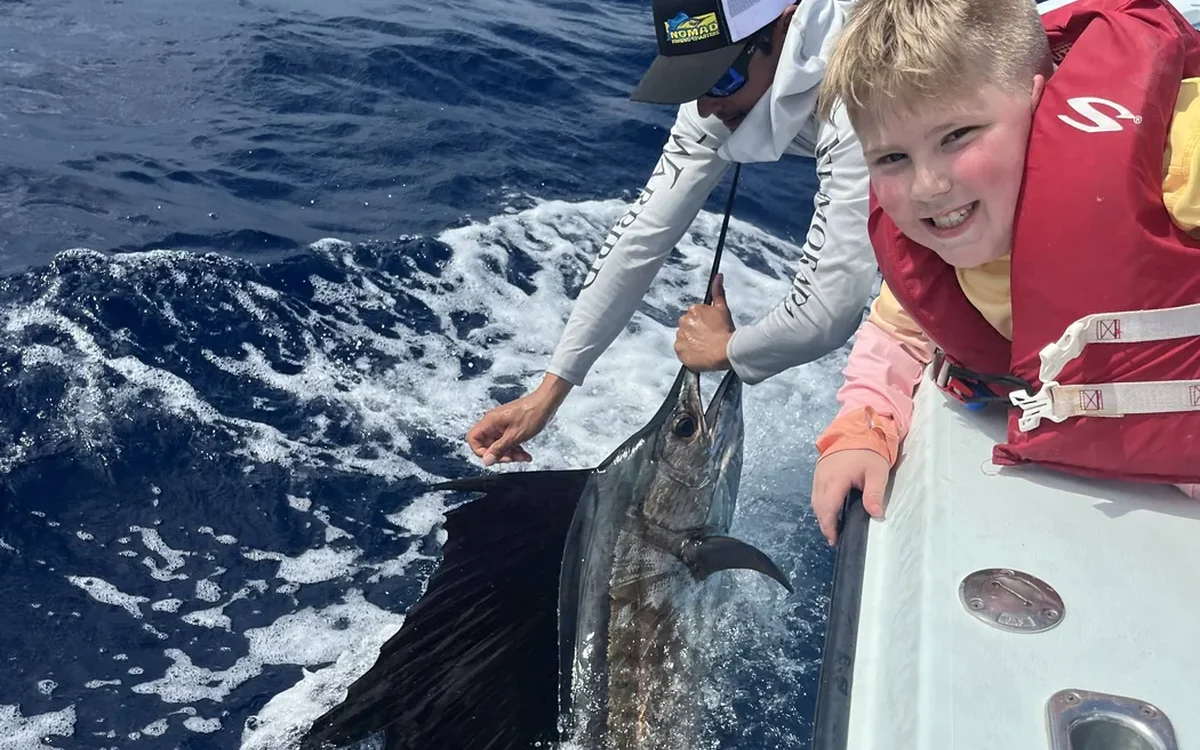
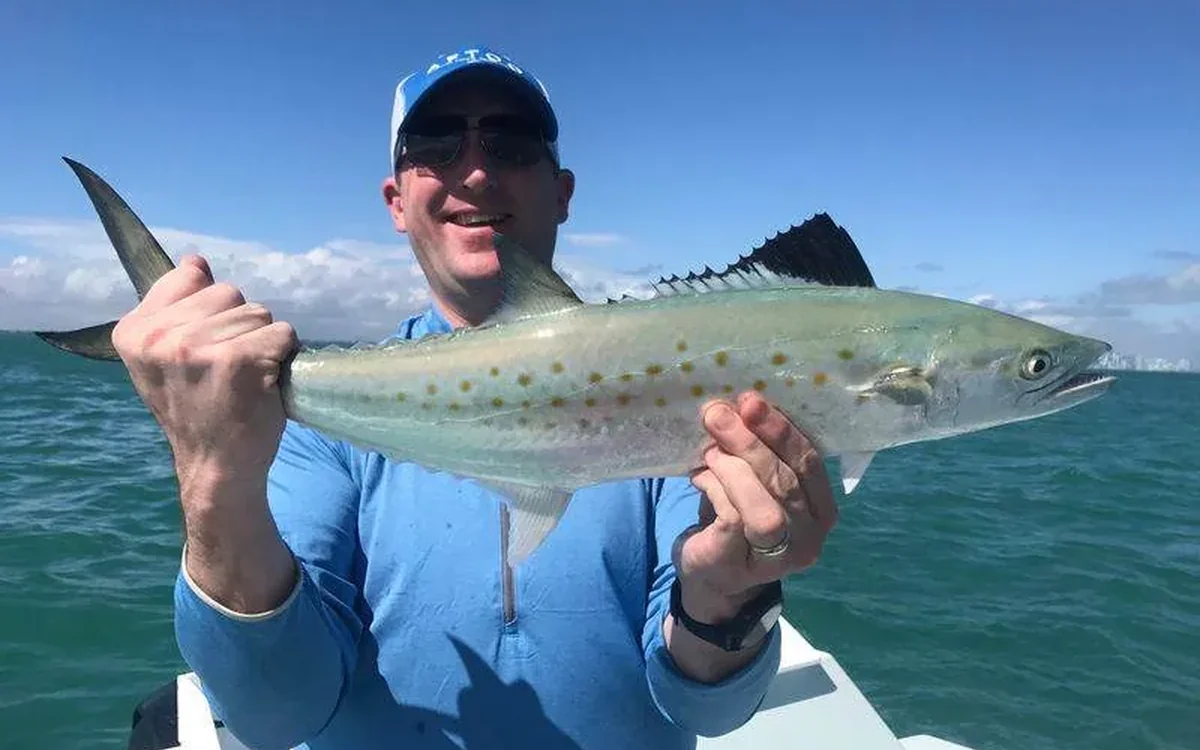
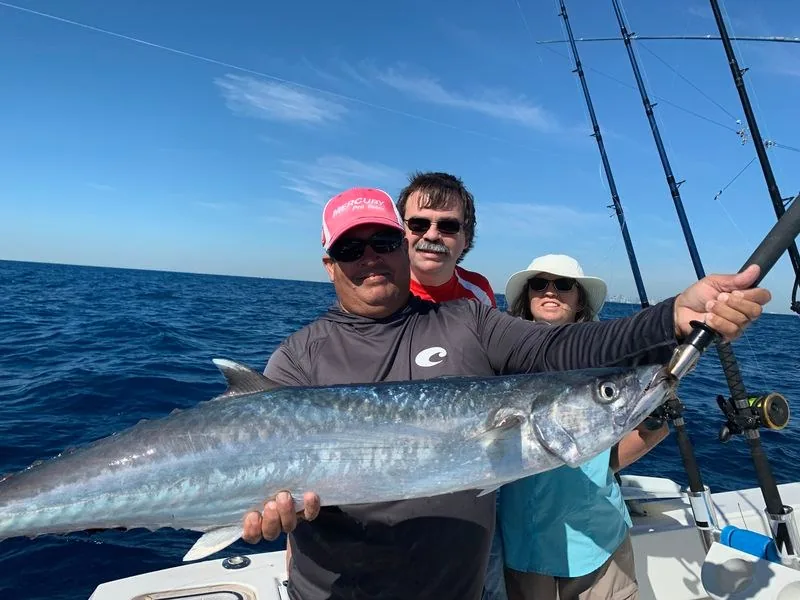
- Winter months: Sailfish season peaks. Kingfish, wahoo, and blackfin tuna move in as cooler water shifts their patterns closer to shore.
- Spring arrival: Mahi-mahi start showing up in numbers. Amberjack and cobia join the mix, and sailfish action holds steady through early May.
- Summer heat: Mahi dominate. Schools move through in waves, and blackfin tuna, bonito, and wahoo round out the offshore menu.
- Fall transition: Kingfish and sailfish return as temperatures drop. Grouper and snapper fishing heats up on the reefs and wrecks just beyond the beach.
Bottom Fishing Never Stops
While the pelagic species steal the spotlight, the reefs and structure hold year-round opportunities that plenty of anglers overlook. Snapper and grouper do not migrate out, they just hunker down in predictable zones. If the offshore bite slows or the weather turns rough, wreck and bottom fishing gives you a solid backup plan.
Captains who know the area can put you on fish even when conditions are not perfect. Wrecks, ledges, and artificial reefs are loaded with life, and the action down there does not rely on seasonal migrations. You might not get the glamour shot with a sailfish, but a cooler full of snapper is nothing to shrug off. Dropping heavy vertical jigs on those wrecks can turn a slow day around.
Weather Plays Nice Most of the Time
Miami’s subtropical setup means mild winters and warm summers. You are not dealing with ice or freezing spray. Even in January, temperatures stay comfortable enough to fish without layering up like you are heading to Alaska. Summer brings heat, sure, but early morning trips dodge the worst of it, and afternoon storms are predictable enough to plan around.
Hurricane season runs June through November, and that is the one wildcard. Most of the time, you will be fine. But when a system rolls through, charters shut down and the ocean gets nasty. Book with operators who prioritize safety over squeezing in a risky trip, and always check the forecast before you commit.
How to Stack the Deck in Your Favor
- Lock in your charter early: Waiting until the last minute limits your options and often leaves you with less experienced crews.
- Tell your captain what you are after: Trolling for sailfish is a different trip than bottom fishing for grouper. Be clear about your expectations.
- Stay flexible: The ocean does not care about your itinerary. If the mahi are not biting but the kingfish are, adjust.
- Gear up for sun and spray: Sunscreen, polarized sunglasses, and a hat are not optional. The reflection off the water will fry you faster than you think.
- Hydrate and bring snacks: Long trips offshore mean hours between meals. Do not rely on the charter to stock a full buffet.
If you would rather chase sailfish on the surface, kite and live bait fishing is the way to go during the winter peak.
Picking the Right Charter Matters
Not all charters are built the same. Some specialize in tournament-level offshore runs. Others focus on family-friendly half-day trips. The boat, the crew, and the equipment all factor into whether you come back with stories or excuses.
Look for captains with solid reviews and years of local experience. They know the water, the fish, and how to adjust when conditions shift. A good captain will put you on fish even when the bite is slow.
A mediocre one will burn your day trolling empty water and blame the weather. The right crew is built to make every hour on the water count.
Licensing, Limits, and Your Catch
Florida’s fishing regulations exist for a reason, and ignoring them gets expensive fast. Most charters include licenses in the trip cost, but if you are fishing independently, you will need your own. Size limits, bag limits, and seasonal closures all apply, even if you are just visiting. A recreational saltwater license is required for anyone 16 and older, some species carry slot limits, and federal waters beyond three miles bring their own rules.
Landing fish is the fun part, but deciding what happens next is where people get stuck. Some charters offer cleaning and filleting for a fee, while others connect you with local processors who can vacuum-seal and ship your catch home.
Catch-and-release is always an option, especially for species like sailfish that are not great table fare anyway. To sort out the details for your trip, get in touch with us before you head out.
The Answer Is Yes, But Know What You’re Getting
Miami delivers year-round because the water, the current, and the geography all line up. You are never stuck without options, and the variety keeps even repeat visitors coming back. But good year-round does not mean every month is identical. The best anglers pay attention to the calendar, adjust their tactics, and work with captains who know the patterns.
If you are serious about making the trip count, do the homework. Book the right charter and show up prepared. Do not expect the ocean to hand you anything just because you showed up.
Miami’s waters will give you the chance. What you do with it is on you.
Ready to fish Miami any season? Call Capt. Orly at 786-266-0171 or tell us when you want to fish and we'll match a trip to the calendar.
Frequently Asked Questions
Can you fish in Miami all year round?
Yes. The Gulf Stream keeps warm, productive water close to shore every month, so deep sea fishing in Miami stays good year-round. The species rotate by season, but there is always something biting.
What is the best month to fish in Miami?
It depends on your target. January through March is peak sailfish season with strong kingfish and wahoo runs. June through August is prime mahi season, while fall brings kingfish back and improves grouper and snapper fishing on the reefs.
Is bottom fishing good in Miami year-round?
Yes. Snapper and grouper hold on wrecks, ledges, and artificial reefs all year, so wreck and bottom fishing is a reliable backup when the offshore bite slows or the weather turns rough.
Do I need a fishing license on a Miami charter?
Most charters include the saltwater fishing license in the trip cost, so you do not need to buy your own. If you fish independently, anyone 16 and older needs a recreational saltwater license, and size and bag limits apply.