Fishing Tips
No Passport Required: Deep-Dropping Off Miami
By Capt. Orlando Muniz | September 12, 2024 · 6 min read
A Method That Earns Its Reputation
Deep-dropping has emerged as one of the most productive fishing methods available to Florida’s resident and visiting anglers. Some have even gone as far as calling the technique “catching” rather than “fishing.” Just like everything else in life though, successful deep-dropping is not as simple as it may seem. Do not be fooled into thinking that consistently hauling up tasty deep water fish is a bowl of cherries with no pits.
Sure, anyone can drop a baited rig way to the bottom and then flip a switch to retrieve it. Who knows, they may even catch a fish or two every now and then. But accomplished deep water fishermen know that there is much more to successful deep-dropping than only what meets the eye.
I have spent years working these depths off Miami, and the best part is this: no passport required. The water that holds these fish sits right off our own coastline.
Why You Do Not Have to Travel for It
People assume the deep, exotic stuff lives somewhere far away. It does not. The same Gulf Stream that makes our Miami fishing charters productive also sets up the structure and depth changes that hold deep water fish within easy reach of the dock. We are talking a short run before the bottom drops away into the zone where these fish live.
That proximity is a gift. It means more time fishing and less time burning fuel to get there. It also means we can adapt fast if conditions change. When the surface bite is slow or the wind makes the long offshore runs uncomfortable, dropping deep is often the smartest call I can make for my anglers.
Think about what that really means for a visitor. You can fly into Miami, step onto the boat, and within a short run be fishing water that most anglers picture as some far-flung tropical destination.
The fish that live down there are not the same ones you catch on the reef or up top. They are deep water specialists, built for cold, dark, high-pressure habitat, and most folks never get to see one up close. We do it as a matter of routine, right off our own backyard.
What Deep-Dropping Actually Takes
The reason I bristle a little when people call it “catching” is that the details matter more than they look like they should. Get the bottom contact wrong, drift over the wrong piece of structure, or rig your bait carelessly, and you will sit there watching a flat rod tip. Meanwhile the boat next to you bends one after another.
- Bottom contact is everything. You have to feel the lead touch and stay in the zone
- Bait has to be fresh and rigged to hold up to the long trip down and back
- Drift control keeps your rig over productive structure instead of dragging across dead bottom
- Electronics tell the story. Reading the sounder right is half the game
It shares a lot with wreck and bottom fishing in that respect. The fish are down there waiting, but they are not going to climb the line for you. You have to put the bait in front of them, at the right depth, in the right spot.
Reading the Water and the Structure
Deep water fish relate to structure and to the edges where the bottom changes shape. Ledges, drop-offs, and rubble piles all concentrate fish, and the current pushes their food right to them. My job is to put the boat where the drift carries your rig along those edges rather than away from them.
That is where local experience pays off. Knowing which numbers produce on which tide, and how the current sets up on a given day, is the difference between a steady pick and a frustrating one. It is the same instinct that drives every decision on our other trips, whether we are vertical jigging mid-water or working live baits up top.
I keep a mental log of every drop, good and bad. Over the years that builds into a map nobody can buy. A particular ledge might fire on the first push of the incoming tide and go dead an hour later. Another spot only produces when the current eases enough to keep the rig in the strike zone.
Those patterns are not in any guidebook. You earn them one trip at a time, and that hard-won knowledge is exactly what I am putting to work when you step aboard.
Patience and the Long Haul
There is a rhythm to deep-dropping that newer anglers have to settle into. The bait takes time to reach bottom, and the fight, when it comes, can be a long grind from way down deep. Between drops, you are resetting, checking baits, and watching the sounder.
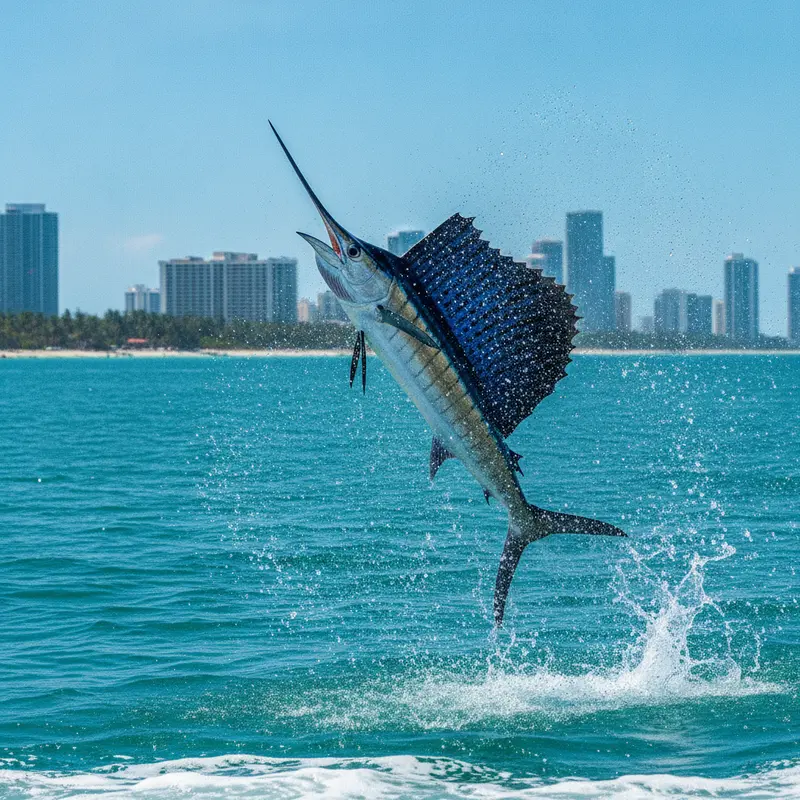
It is not the frantic surface action of chasing sailfish, and that is exactly why some folks love it.
For families and mixed-experience groups, it can be a great equalizer. Everybody gets a turn, the pace is manageable, and the payoff of seeing a strange deep water fish come over the rail never gets old. It works for the same reasons our kids fishing trips work: steady involvement and a real reward at the end.
Bringing It Together
Deep-dropping rewards the angler who respects the details. Fresh bait, solid bottom contact, smart drift control, and a captain who knows the structure all stack the odds in your favor. Do it right, and the cooler fills with some of the best eating fish our waters produce. Do it carelessly, and you will understand quickly why I do not call it “catching.”
If you want to experience it the right way, I would be glad to show you. You can read how I run my Miami fishing trips in my background as a Miami charter captain, or just get in touch and we will find a date that works.
Frequently Asked Questions
What is deep-dropping?
Deep-dropping is a fishing method where you send a baited rig down to deep water structure, often hundreds of feet down, to target bottom-dwelling fish. It is one of the most productive techniques available off Miami and shares a lot with traditional bottom fishing.
Do I need to travel far to deep-drop off Miami?
No, and that is the beauty of it. The Gulf Stream brings deep water and structure close to Miami’s coast, so we reach productive depths with a short run from the dock. No passport required.
Is deep-dropping really as easy as flipping a switch?
Not quite. Anyone can drop a rig and crank it up, but consistent success depends on fresh bait, precise bottom contact, drift control, and reading the structure. The details are what separate a steady pick from an empty rod.
Is deep-dropping good for beginners and families?
Yes. The pace is manageable, everyone gets a turn, and the reward of a deep water fish over the rail is hard to beat. It is a great option for mixed-experience groups looking for steady involvement.