Seasonal Fishing
The Role of Weather in Miami Offshore Fishing
By Nomad Fishing Charters | June 3, 2025 · 6 min read
Why Weather Drives the Miami Bite
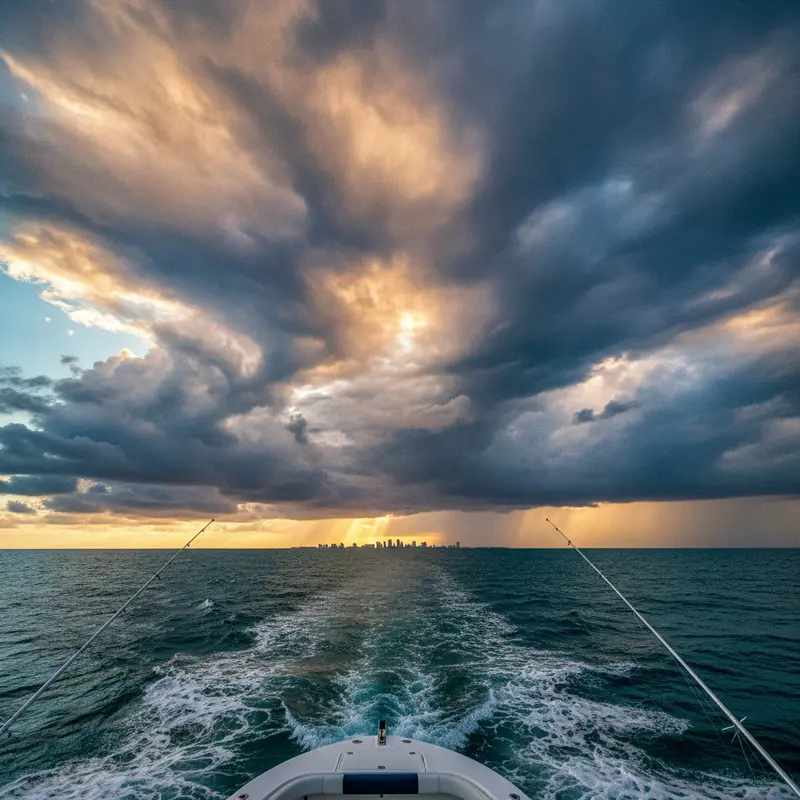
Weather plays a huge part in planning successful fishing trips in Miami's waters. As experienced fishing guides, we've learned that understanding weather patterns helps catch more fish and keeps everyone safe on the water.
Wind, tide, water temperature, and barometric pressure all push fish around in predictable ways once you know what to look for. Reading those signals is exactly what separates a guided trip from a guess, and it is a big part of what you get on our run and gun offshore charters. Let's look at how different conditions affect offshore fishing and what you need to know before heading out.
Understanding Miami's Seasonal Weather Patterns
Miami's fishing seasons follow distinct weather patterns that influence where fish gather and how they behave. Summer brings calm seas and steady winds, perfect for live bait fishing and targeting species like mahi-mahi and tuna.
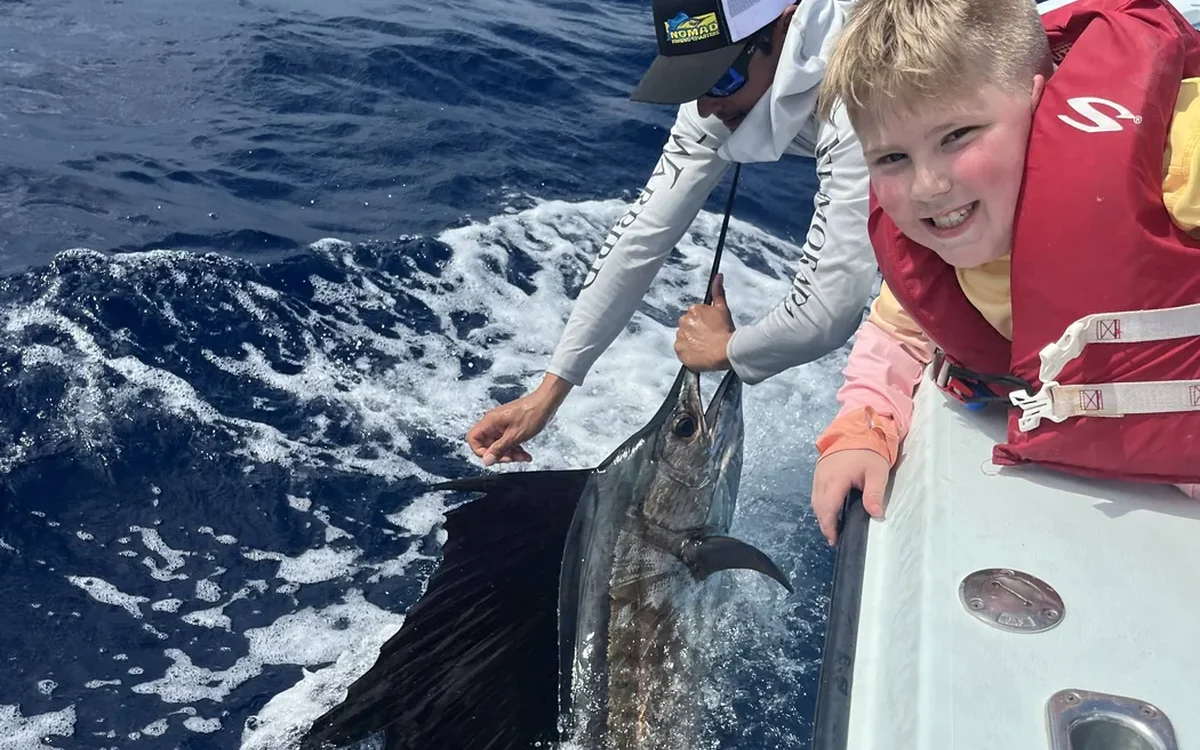
Winter's cooler temperatures and stronger winds create different opportunities, especially for sailfish that follow the bait schools pushed by cold fronts. The seasonal swing is dramatic here - the same patch of water that holds summer tuna can be loaded with wintertime sailfish a few months later. Matching your target to the season is the foundation of a good plan.
Wind Direction and Fish Movement
Wind direction tells us a lot about where to find fish in Miami waters. East winds bring clear water and active fish closer to shore. North winds often signal incoming cold fronts and increased sailfish activity. West winds can create murky water and scattered fish.
These patterns help us plan the best spots on any given day. During east winds, we often find success with wreck and bottom fishing since the clear water helps fish spot our baits more easily. West winds are the toughest, pushing bait offshore and dirtying the water close in.
Making the Most of Miami's Tides
Tides work together with weather to influence fish behavior. Strong tides during new and full moons create prime fishing conditions, especially for species like tarpon and snapper that key on moving water to feed.
We pay close attention to tide charts when planning trips, knowing that certain spots fish better on the incoming and others on the outgoing. The first few hours of a tide change are often the most productive window of the entire day. This is just as true inshore, where the tarpon bite around bridges and inlets lives and dies by the current.
Weather Safety and Species Windows
Safety always comes first when dealing with Miami's weather. Before and during every trip we monitor wave height and direction, storm forecasts and radar, and any changes in wind speed and direction. Years of experience help us read these conditions to keep guests safe while maximizing their shot at great fish, and we are always ready to adjust the plan.
Different species also turn on under specific conditions. Overcast skies often improve the shark fishing bite, while clear, calm seas are ideal for spotting surface-feeding mahi-mahi. Knowing which conditions favor which fish lets us target the right species at the right time off Miami.
Frequently Asked Questions
What weather conditions are best for offshore fishing in Miami?
Light to moderate east winds with 2 to 3 foot seas typically provide ideal fishing conditions. East winds bring clear water and active fish closer to shore.
How do approaching cold fronts affect fishing?
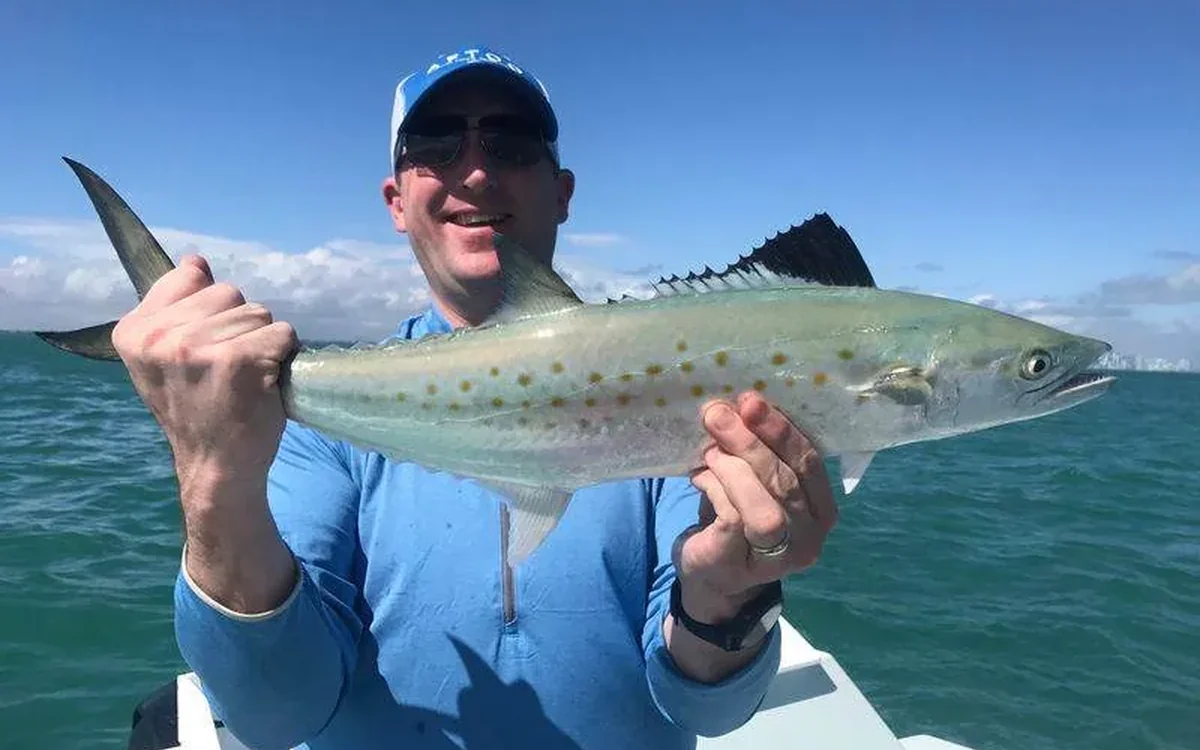
Cold fronts often trigger heavy feeding activity before they arrive, especially among sailfish and kingfish. The north winds that precede a front are a classic signal that the sailfish bite is about to fire up.
Can we fish in light rain off Miami?
Yes. Light rain usually does not hurt the fishing and can actually improve it by making fish feed more aggressively. We watch radar closely and only call trips for lightning or unsafe seas.
Which tide is best for fishing in Miami?
Moving water is what counts. Strong tides around the new and full moons are prime, and the first few hours of any tide change usually produce the best tarpon and bottom fishing action.